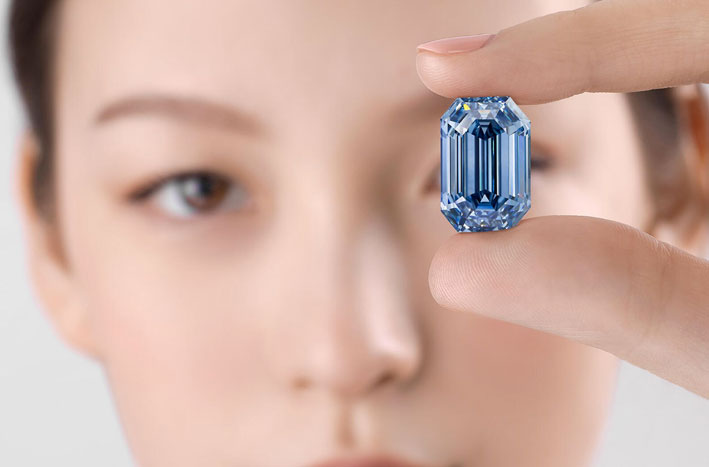
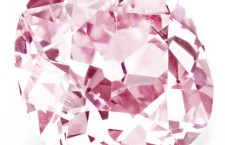
If there is one thing that Gioiellis.com keeps an eye on, apart from the new things arriving on the market, it is the concrete aspect of the world of jewellery. That is, the economic side, which for companies means staying on the market profitably, for consumers identifying the purchase (obviously in the case of a substantial expense) that also translates into an investment. It seems that our site is on the right path, given that the “Wall Street Journal” also dedicated an extensive article to the topic a few days ago. The most widely read economic newspaper in the world starts from the sale, in a Christie’s auction, of the pink diamond to an international collector for 39.3 million dollars. And Sotheby’s, the newspaper says, sold a pink diamond even more three years ago for $46 million, more than has ever been paid for a canvas by Camille Pissarro or Paul Gauguin. In short: a large diamond can be a more valuable investment than a canvas by a renowned painter.
What a brilliant business. Diamonds, therefore, are no longer just girls’ best friends. In fact, men are the first buyers of a market, that of jewellery, which is worth 71 billion dollars. And not because husbands and boyfriends want to give a pair of earrings to their wives or lovers on special occasions. Men, and obviously some women, buy jewelry because they are shifting part of their wealth into diamonds, gems and precious stones with global appeal.

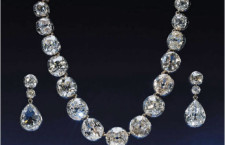
Invest 100 million. Rahul Kadakia, a jewelry specialist for Christie’s, explained to the US newspaper that many men have recently visited his office, seeking advice on how to “invest $100 million in jewelry over the next five years.” Martin Rapaport, who built the largest diamond trading network, RapNet, reported that a billionaire friend recently bought 100 1-carat diamonds and strung them together in a long, 1920s-style necklace. In this way, he explained, he can move 10 million dollars from one part of the world to another simply by having his wife wear it. «Gold would trigger the metal detectors at the airport. And walking around with too much cash is difficult, they’re bulky”, he explained, “but a ring or a necklace and they have no problem passing through customs”. In short, jewels as safe haven and pocket goods. Judith Price, president of the American National Jewelry Institute, confirms this: «People want to be able to move quickly. You can’t do it with a Rodin tucked under your arm, but a small piece of jewelry can simply be placed in your pocket.”
Medium-term investment. Diamond prices seem to be steadily rising. Last month, the Wall Street Journal reports, the average asking price between intermediaries for a 1-carat diamond was around $10,500. With a growth of 31% compared to six years ago, notes the RapNet Diamante Index, which tracks prices among 12 thousand gem dealers around the world. In the same period (six years), the Standard & Poor 500 stock index increased by 14%.
King and queen. The idea that jewels are assets to be accumulated is not new. Pharaoh Tutankhamen was buried with his collection, Henry VIII instructed his jewelers to have his initials placed on almost every trinket he wore. Today, some rulers are still considered the best buyers of jewelry, notably the Sultan of Brunei and the Emir of Qatar. But the difference is that today it is investors who dominate the jewelry market, and their tastes and habits determine prices. In China, the big tycoons especially want D diamonds, that is, perfect, free of defects, white and transparent. I want them small, rather, but without the slightest imperfection. However, in the rest of the world, size matters: Sotheby’s just sold a 75-carat pear-shaped white diamond for $14.2 million. The seller paid $4.3 million for it in 2001, a 230% gain. Chinese collectors are also ready to spend a lot on diamonds in rare shades of pink and blue.
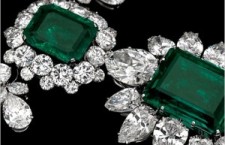
Even pearls. It’s not just diamonds. India and the Middle East are more attracted to natural pearls, a chase that began in 2007, when two strings of pearls that belonged to the Maharajah of Baroda were sold for 7.1 million dollars, well above the 6 thousand dollars of the initial estimate. And in Geneva a man paid Christie’s $4.5 million for an emerald turban ornament, called a sarpej, estimated at $800,000.
From painting to jewel. Then there are art collectors who diversify: fewer paintings and more jewels. The sector is experiencing an influx of contemporary art enthusiasts who buy gems and jewels also to offset the risk associated with their most recent purchases of art pieces.