
Trends: lab-created diamonds and personalized jewelry.
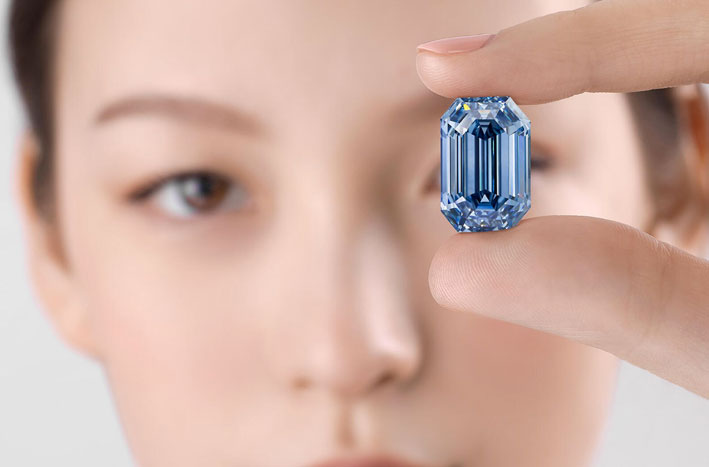
According to the 2026 Real Weddings Study by The Knot Worldwide (a technology company that manages a portfolio of platforms and brands), based on self-reported responses from 10,474 US couples married in 2025, 61% of engagement rings surveyed feature a lab-grown center stone, a 239% increase compared to 2020. It’s no coincidence that the price of natural diamonds, mined in mines, has dropped in recent years. The trend of increasing sales of lab-created diamonds is also confirmed by Enrico Terzo, founder of Mercante di Pietre, an online gemstone retailer, who reports that approximately 61% of rings feature a lab-created stone.
But natural stones retain their allure: a study conducted in the United States on 18,500 women between the ages of 18 and 74 indicates that natural diamond jewelry remains the most desired luxury jewelry product. The research, however, is by The Diamond Report, edited by De Beers Group: not exactly a neutral source.

According to the Italian company, it’s not just aesthetic taste that’s changing, but the entire purchasing process. Customers are becoming more informed, comparing online, requesting certifications, wanting to understand the difference between natural and lab-created diamonds, evaluating colored stones and custom solutions. And their choice is often influenced by what they see on Instagram or TikTok, albeit often with questionable results.
Until a few years ago, an engagement ring was often associated with a very specific idea: white diamond, classic setting, a relatively standard choice. Today, customers almost always start with personal research. They bring images, compare prices, request certifications, and want to understand why two seemingly similar stones can have very different values. A ring is no longer just an object to choose: it’s a project to build.
Enrico Terzo, founder of Mercante di Pietre

Another factor impacting the jewelry market is the decline in the number of weddings. In Italy, 173,272 weddings were celebrated in 2024, 5.9% fewer than in 2023. And provisional data for the first nine months of 2025 indicate a further 5.9% decrease. Fewer weddings, fewer jewelry.
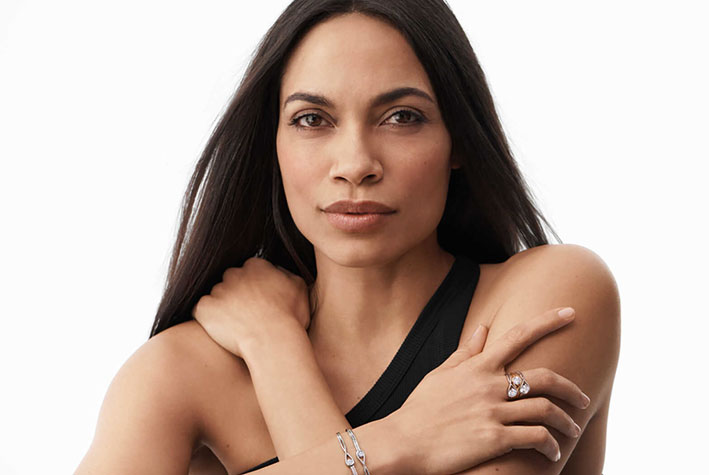
Returning to lab-created diamonds, the need for clarity is also confirmed by the Gemological Institute of America (GIA), which in 2025 announced a new descriptive terminology for lab-created diamonds. The institute no longer uses the same color and clarity classification for these products developed for natural diamonds, but a system that confirms their laboratory-grown origin and distinguishes stones into quality categories. According to GIA, over 95% of lab-created diamonds placed on the market fall within a very narrow color and clarity range. Therefore, before choosing a piece of jewelry with a stone, it’s best to do your research, perhaps by consulting a gemologist.