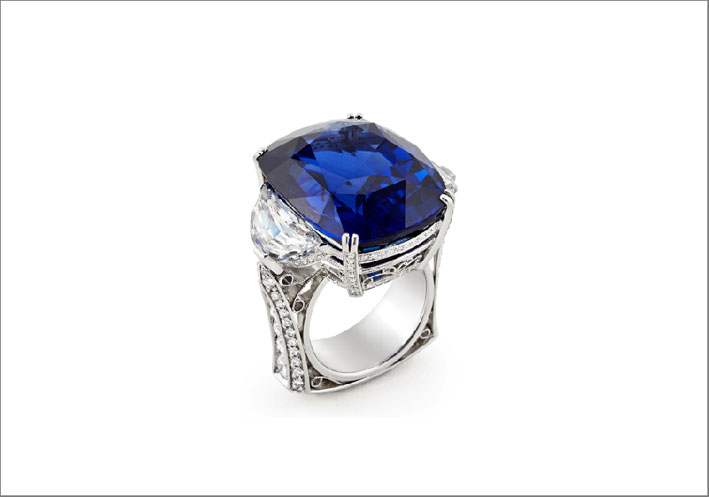
The jewels that can be transformed: from necklaces to bracelets, or …
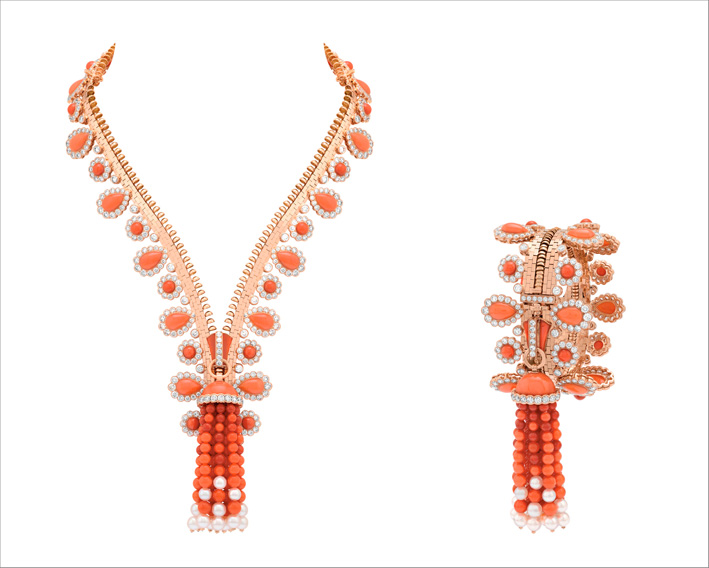
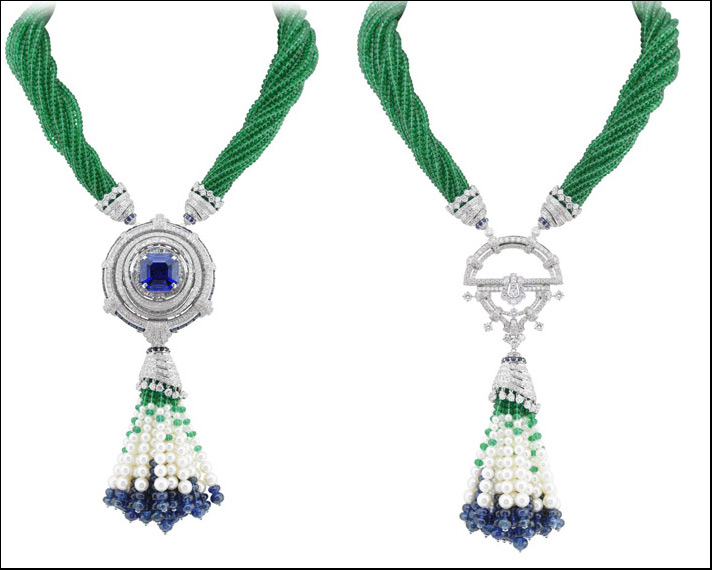
Long live the quick-change jewels. The queens and princesses of the European courts have known this for a long time: if tiaras and bracelets are so precious and expensive, at least they are versatile. And, in fact, in royal collections, tiaras become chokers when needed, diamonds are replaced with colored precious stones for less formal occasions, earrings lengthen in the evening and shorten by day. The artistic director of Van Cleef & Arpels, René Pouissant, also tried his hand at this work at the suggestion of the Duchess of Windsor, creating the famous Zip necklace in 1951.
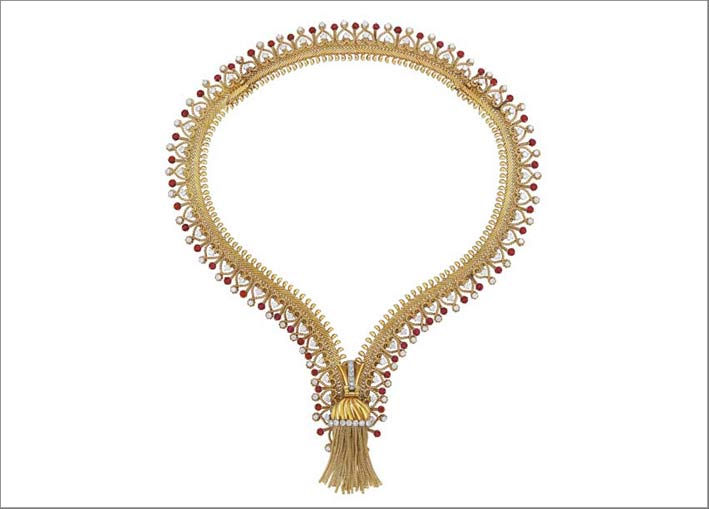
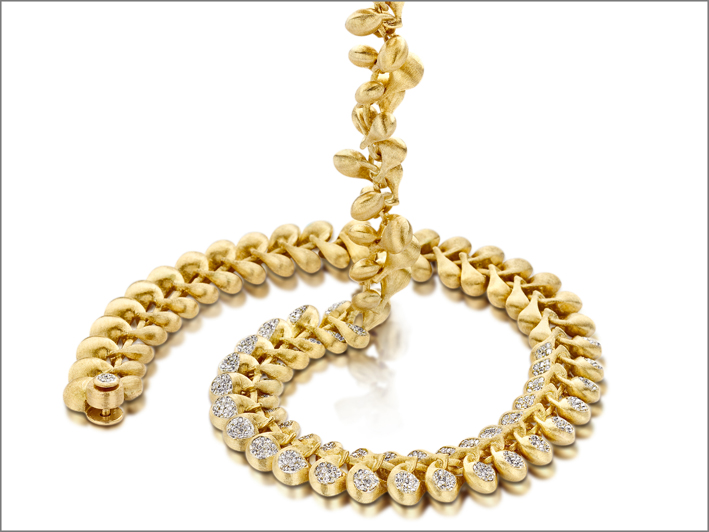
A sort of zip that opens in the shape of a V and goes around the neck. Closed, however, the necklace is placed on the wrist and becomes a bracelet. On the sides, instead of the gold fabric worked in herringbone and hearts cut out with a diamond in the center and a long precious tassel hangs from the cursor. So, quick-change jewels are certainly not new, but fortunately there is something new in their contemporary version: they are not only relegated to high jewelery or models with a traditional aesthetic. The Italian Nanis, for example, has even called Trasformista a line of jewels that can change their appearance and use.
The strengths of transformable jewelry
Versatility. One piece, many functions. A transformable piece of jewelry can adapt to multiple situations: an elegant dress, a casual outfit, a romantic occasion, an important evening, or everyday wear.
Savings and sustainability. Instead of buying multiple pieces of jewelry for different occasions, a transformable piece is enough: it can reduce the need for multiple purchases, also promoting more conscious consumption.
Customization and creativity. These pieces often allow for different lengths, shapes, and combinations, so you can adapt them to your style, your body, and your taste. It’s a way to stay on top of fashion without sacrificing elegance.
Space and practicality. If you’re short on space or don’t want too many items, a piece of jewelry that changes functions is convenient to store and transport.

Critical aspects
Price and technical cost. Making a transformable piece of jewelry often requires complex mechanisms, more craftsmanship, and quality materials, which can increase the price.
Sturdiness and maintenance. Jewelry with moving parts, interlocking parts, or multiple clasps is more delicate: care should be taken to avoid impacts and contact with chemicals. Some transformations could lead to premature wear if not properly cared for.
Commitment to choice and care. It’s not enough to buy: you need to fully understand how to transform the jewelry, how to change its configuration, and how to store it. For some people, it may not be as immediate as traditional jewelry.
Subjective aesthetics. Being transformable can give the jewelry a more functional or modern look, but some might prefer the purity and simplicity of a classic piece, without visible mechanisms.

How to choose a transformable piece of jewelry
If you’re thinking of purchasing this type of jewelry, consider:
•Quality of materials and craftsmanship: favor pieces in gold or silver, with good soldering and reliable clasps. A transformable piece of jewelry must be solid.
•True versatility: make sure the transformation is not just aesthetic, but truly practical: for example, a bracelet can become a necklace in just a few steps, without tools.
• Style and personality: Choose a piece of jewelry that reflects your taste and fits into your everyday wardrobe, not just for special occasions.
• Maintenance and care: Learn how to store, clean, and avoid damage. If you frequently change it, the robustness of the mechanisms is also crucial.
• Value for money: Consider whether the cost is justified by the quality, design, materials, and versatility.

Examples
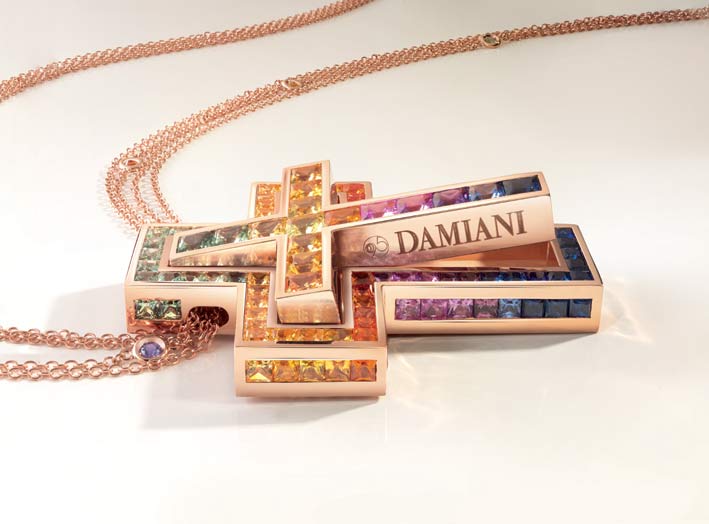
Among jewelers, some are inspired by Meccano, like Cypriot designer Myriam Soseilos; others hide one ring inside another like Russian dolls, like Dutch designer Bibi van der Velden. And others, like Kiki McDonough, a brand much loved by Kate Middleton, the Duchess of Cambridge, create an entire collection of earrings with interchangeable parts made of colorful gemstones. Or there are those, like Michela Bruni Reichlin, who combine jade, white diamonds, gold, and rubies to create a truly unique look.
Another new addition is Magic Alhambra by Van Cleef & Arpels. The Maison’s new long necklaces are part of the tradition of transformable jewelry. For the first time, these creations can be worn in different ways: as a long necklace, as a short necklace, and as a bracelet, thanks to a removable element. Gübelin presented a ring with a Burmese sapphire: Vibrant Wings is inspired by the eternal butterfly motif. Crafted from platinum and titanium, it is set with vibrant sapphires, diamonds, and a ruby. The piece can be worn as a cocktail ring or a brooch. The central sapphire weighs 4.88 carats and comes from Burma (Myanmar), with a gemological structure described as spectacular.

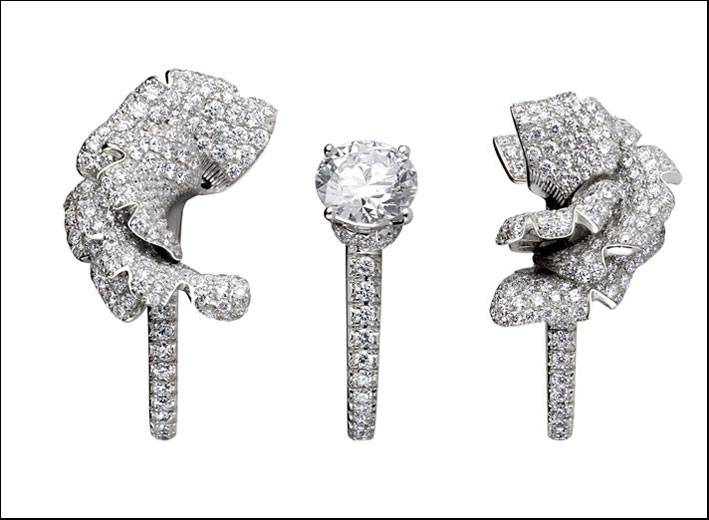
For example, a bracelet that can be transformed into a necklace with a flick of the wrist, or a ring that transforms into a pendant for a chain. In this way, a single piece of jewelry can offer multiple possibilities: refined simplicity by day, sophisticated elegance by night, or a casual or formal look.
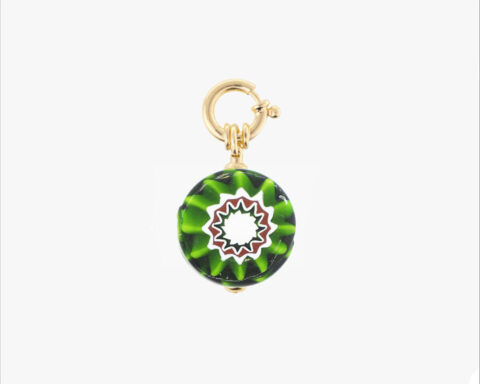
Another interesting example is that of jeweler Serafino Consoli, who created a masterpiece ring: with a single gesture, it can transform into a bracelet. It’s a complex project, with numerous hand-soldered components, a blend of design, tradition, and mechanics. The Italian brand Make Your Jewel has also made transformability its signature style: modular, stackable, and customizable jewelry, often with charms or interchangeable elements.