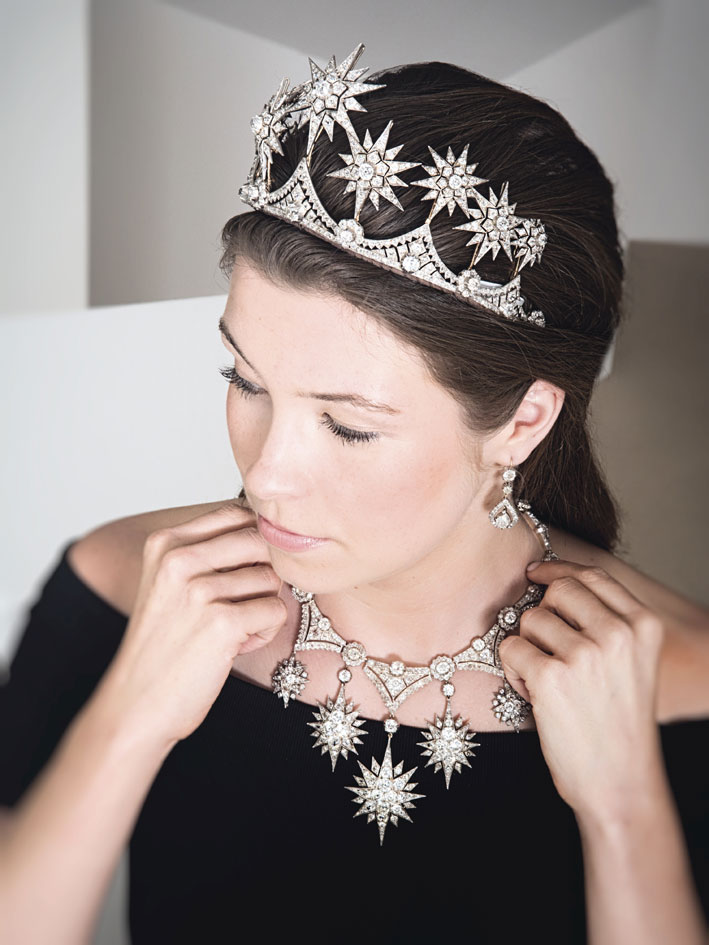
Guide to buying vintage jewelry: how to choose and what you need to know.
Buying a ring, but also a necklace or a pair of earrings created many years ago, can be a bargain, and at the same time a pleasant research. There are many auctions that sell jewelry, often at an affordable price. But how to choose a vintage ring? Here are the six rules to follow ♦
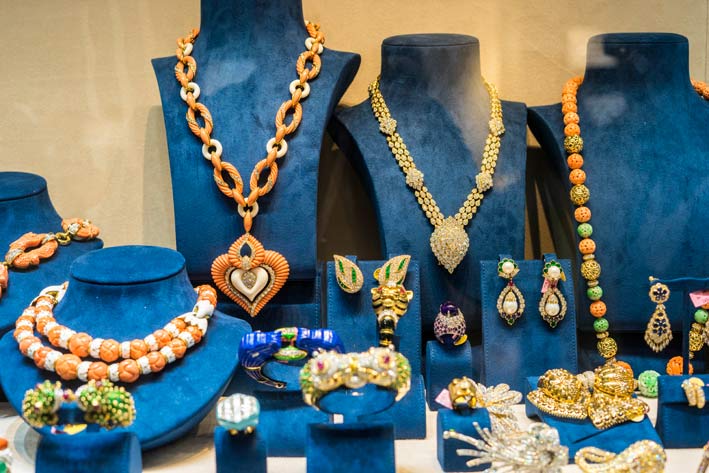
How much does investing in vintage jewelry make?
There are a lot of people who love vintage jewelry, perhaps to give as an engagement ring. They have more charm, a story behind them and, sometimes, even a good price. But there is a problem: you have to know how to choose them. And it’s not easy. Here are five useful questions for those who want to hunt for vintage jewelry. If you can answer these questions, you will have important information for your choice.
Vintage jewelry guide

1 How old is it?
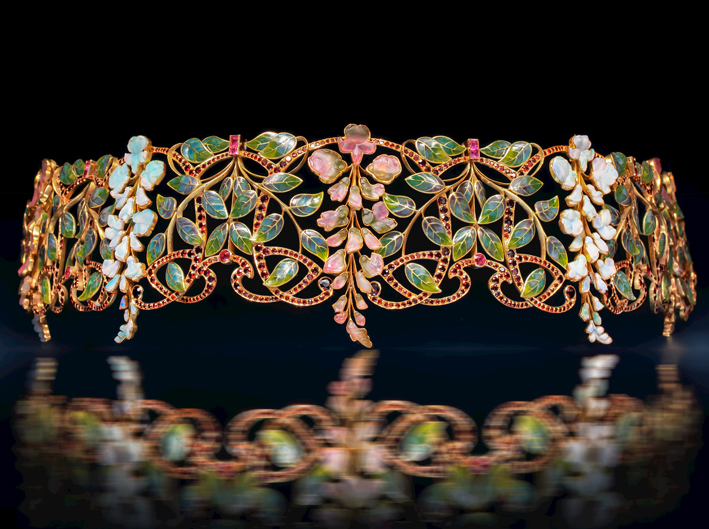
If you are not a super expert, it is difficult to determine the age of a ring, also because the most successful jewels have been reproduced with not always perfect imitations. In any case, it is important to ask the dealer (if it is reliable, that is, a renowned auction house or a jeweler who cannot afford to deceive anyone) the approximate age of the ring being considered. If you get an answer, look carefully at the ring: the style must be consistent with the year of manufacture. For example, if they tell you it is from the late nineteenth century, it cannot be Art Deco, a much more recent style. But how do you find out? Simple: before buying a ring from a specific era, compare jewels of the same age on the internet and compare them. On the online catalogs of the auction houses, for example, there are numerous examples of vintage jewelery that are certified.
2 Have any of the stones in the piece of jewelry been replaced?
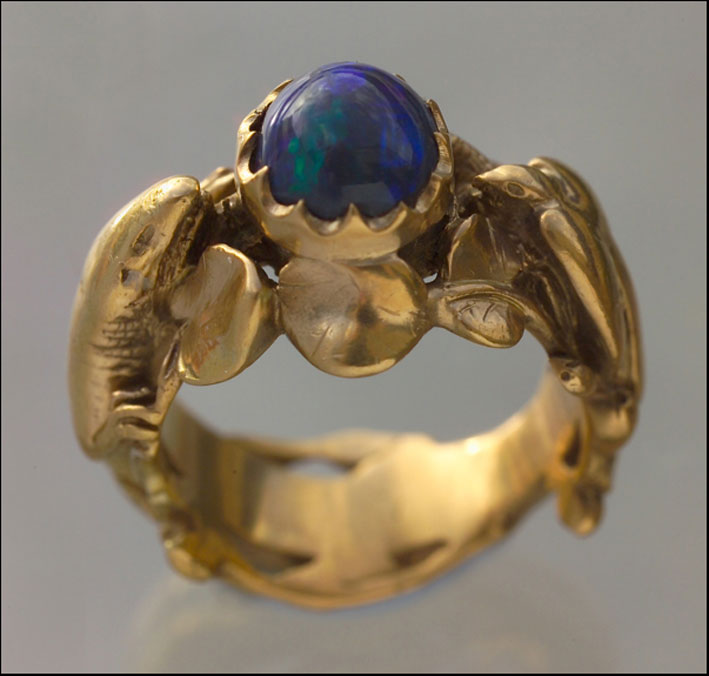
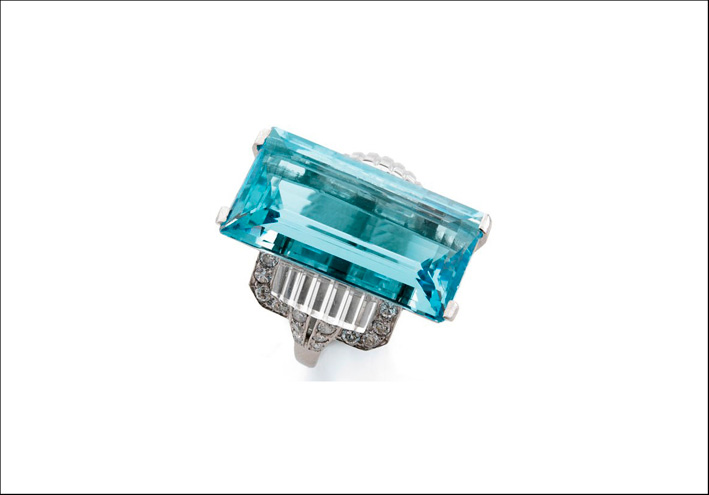
There are rings that are more than 100 years old. It is not an infrequent case if in the meantime a stone has ruined, come loose or has been replaced. Then take a close look at the ring stone with a lens: if it is original, it is unlikely that it will not show scratches or small signs of wear. Even though diamonds are more resistant and more difficult to ruin, it is difficult for a vintage gem to not show any signs of wear.
3 What cut should the diamond of a vintage ring have?
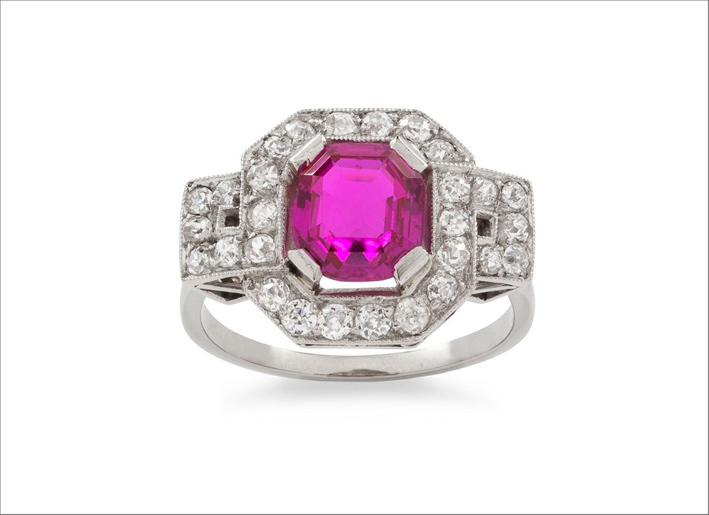
Ancient diamonds have a different cut than the current one. So, be careful: if the vendor offers you a ring from 1910 with a brilliant cut (round) diamond, it is likely that the stone was replaced, since that shape for diamonds did not spread until after 1919. Often the Vintage diamonds are less perfect in terms of color and transparency.

4 Is the jewel insured?
Sometimes jewelers (especially abroad) ensure the most precious pieces. Of course, it must be worth it. An insurance contract, if it exists, is a reliable yardstick for the jewel, which has previously been subjected to an expert appraisal, who has assessed it and has priced it.
5 Do you want to sell it in the future?
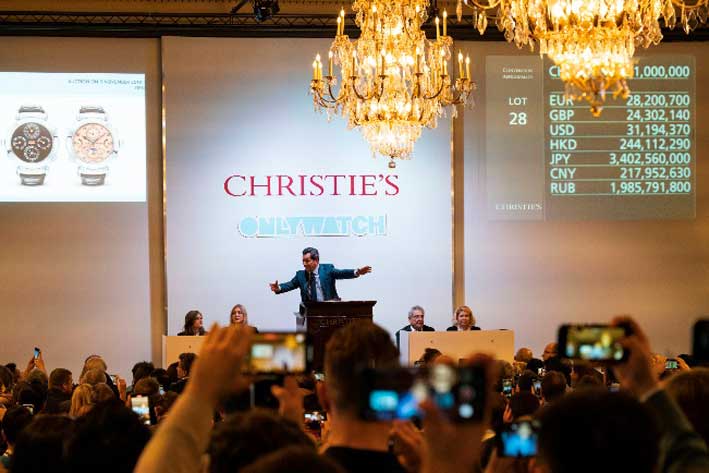
Of course, it’s not nice to say, but it is good to think about it first: a ring in the future could be an object to be sold. In this case it is good to know if the jeweler offers guarantees on the quality of the ring you want to buy. A ring is not an indestructible object and it is good to make sure that it has no defects that could deform or depreciate it.
How to sell your jewelry
6 What style does jewelry have?
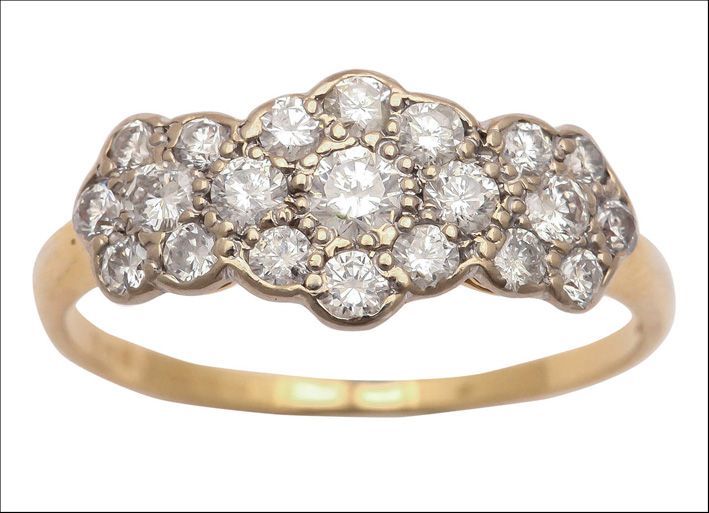
It is important to establish not only the age of a jewel, but also if its shape is still current. Art Deco jewels, for example, have seen increasing popularity in recent years. The Victorian era jewels, on the other hand, were sought after only by fans of the genre. Different is the case of a vintage jewel that does not have a precise style, for example a simple diamond ring. In that case, the quality of the stone counts more than the style. Recognizing the characteristics of specific eras (such as the 1920s, 1930s, or 1980s) helps in understanding a design’s authenticity. Hand-finished details, precise engravings, and distinctive stone settings are hallmarks of original period pieces. Any patina, oxidation, or slight signs of wear should appear natural and consistent with the jewelry’s estimated age.
7 Check materials and hallmarks
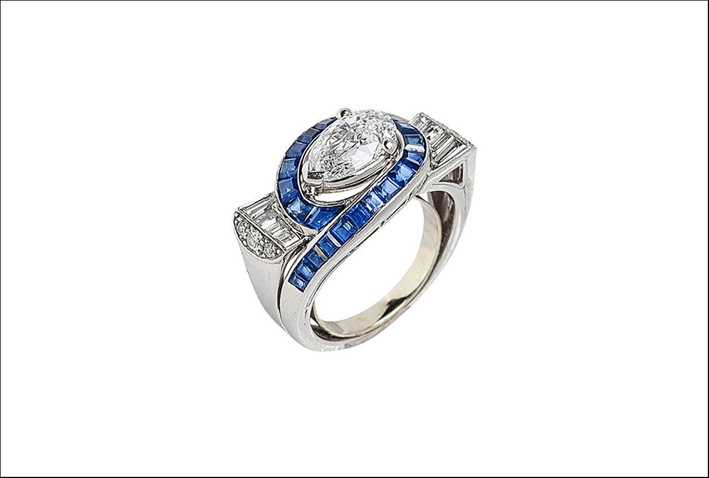
Look for stamped marks (hallmarks indicating metal purity), such as “750” for 18kt gold or “925” for silver. Often, there is also a code indicating the province and the goldsmith’s identification number. Regarding gemstones, in addition to verifying that they are natural, you should ask the seller for recognized international certification (such as GIA or IGI) for any high-value stones.
8 Assess condition and the purchase
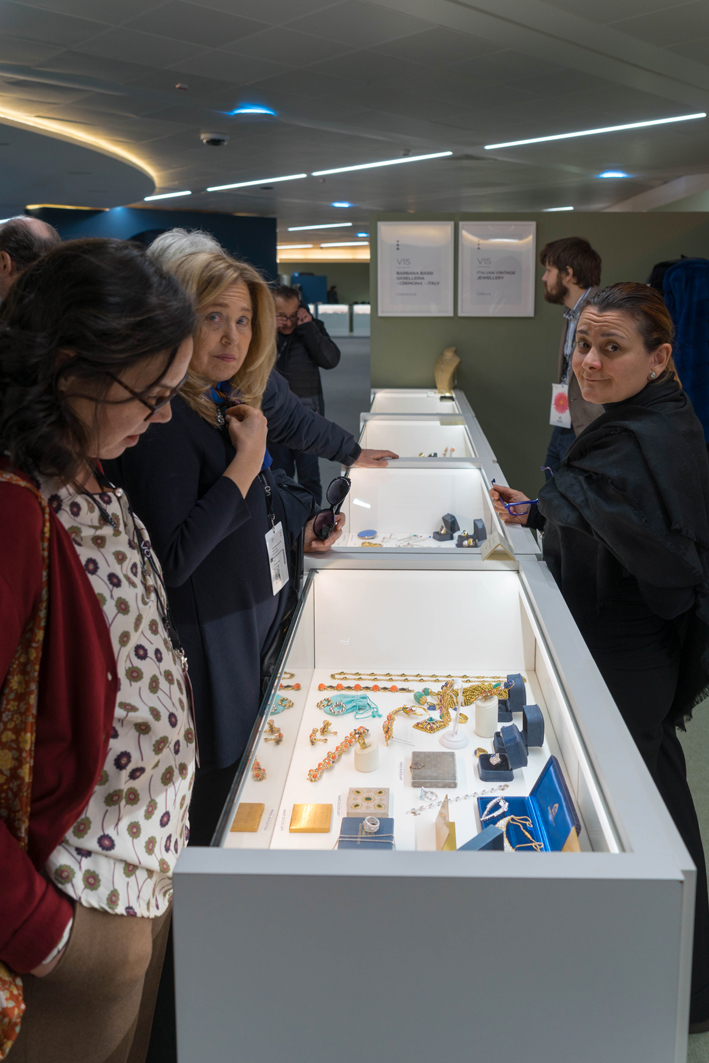
Before opening your wallet, ensure that clasps and any hinges are secure and in good working order. If they aren’t, consult an expert first to find out the cost of repairs. Specialized antique shops or professionals who can guarantee a piece’s provenance offer greater assurance of authenticity—though there are never absolute guarantees—compared to buying from a private individual, perhaps online.