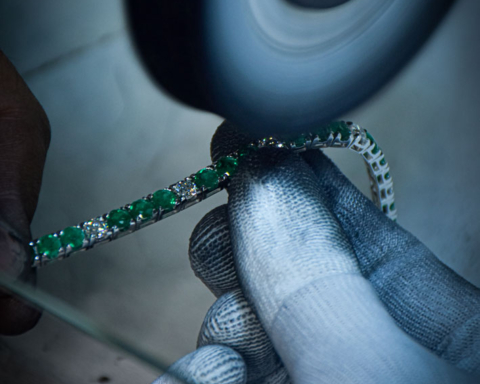

Legor introduces Binder Jetting Technology, which allows for more efficient jewelry production.
Jewelry originates from craftsmanship. But today, it also stems from technology. Such as Binder Jetting Technology, a 3D printing technique within the additive manufacturing field, typically used in the mechanical or biomedical sectors. This technology creates objects by spraying a liquid binding agent onto thin layers of powder (metal, sand, or ceramic), bonding them together. This allows for the creation of complex components in various metals, such as steel, 925 silver, bronze, and 950 platinum, directly from CAD files.

The goal is to automate precision extraction and virtually eliminate the risk of damage to 3D-printed jewelry. Legor, a multinational group based in Bressanvido (Vicenza), specializing in the transformation of metals into alloys, galvanic solutions, and premium powders for the fashion and fine jewelry industries, has achieved this milestone through the Iojet research and development project. The initiative, co-financed by the Smact Competence Center as part of the Iriss Call, has transformed the depowdering phase of metal 3D printing through the integration of an intelligent robotic system.
One of the most delicate aspects of Binder Jet technology is the extraction of parts from the metal powder bed in which they were printed. Currently, extraction is a manual process performed by an operator, characterized by high repetitiveness and the risk of material loss that is barely visible to the naked eye or damage to the parts. Automated systems for the extraction of small parts, the most common in the jewelry industry, are not available on the market. The Iojet project fits into this scenario. To meet current market challenges, it has developed a robotic pointing system that facilitates part extraction and makes them easier to handle.
The device allows the operator a clear view, with positive impacts on process efficiency in terms of reducing breakages, which are very common during extraction. With the help of Iojet, part mortality during extraction drops from 15% to 4% for a novice operator, while for an experienced operator the percentage drops from 5% to 1%, and in many cases, it is close to zero. This ensures an overall simplification of the work, a reduction in stress, and a lower impact on the operator’s health. Another advantage of Binder Jet technology in terms of production is the ability to print thousands of small parts per day, which, unlike other technologies, speeds up the entire process.
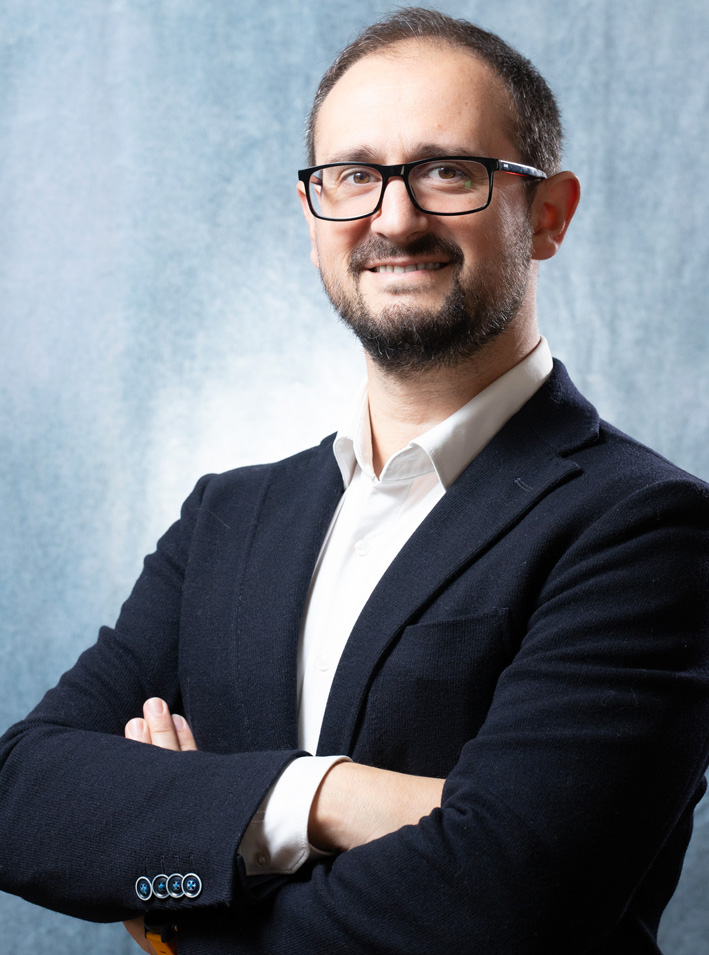
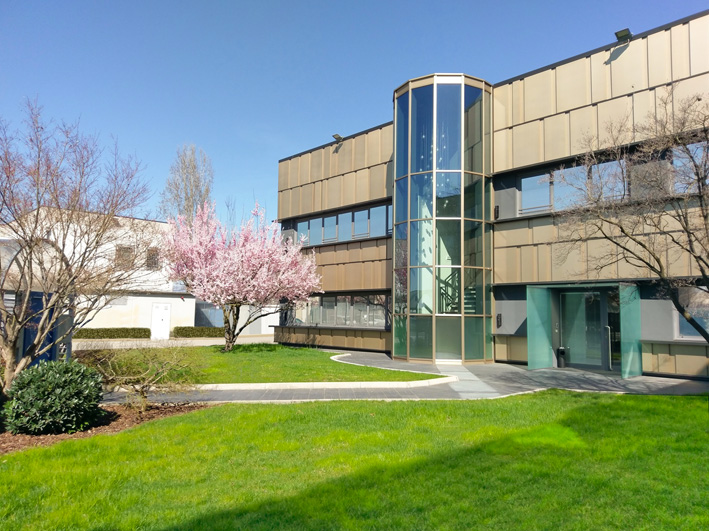
“The Iojet project represents a very important step for us because it addresses one of the most delicate phases of 3D printing with Binder Jet technology applied to jewelry: the extraction of pieces from metal powder,” explains Andrea Friso, R&D manager for Legor’s Master Alloy. “Automating this process not only drastically reduces the risk of damage to printed pieces, but also improves the quality of the operator’s work, optimizes powder management, and increases production efficiency. This project fully reflects our commitment to Research and Development: we want to increasingly serve as a technological partner for our customers and help bring innovation to a sector that, while rooted in tradition, has enormous potential for evolution.” The innovative device was installed, followed by a subsequent phase of testing on real production runs, at the Bressanvido (Vicenza) plant. To carry out the project, the company collaborated with the Joanneum Research center in Klagenfurt (Austria), which over the course of several months took care of the creation and improvement of the device for pointing 3D objects from dust.