
Quick guide to the three cuts of the most used stones in the past and mounted on old jewels ♦ ︎
Do you have a jewel inherited from your grandmother at home? Or maybe even older? Then, probably, you might wonder what kind of cut used for these gemstones. Because once the stones were cut differently. Here is a quick guide to recognize old stone cuts, such as the cut rose-cut, old-mine cut, or Asscher.
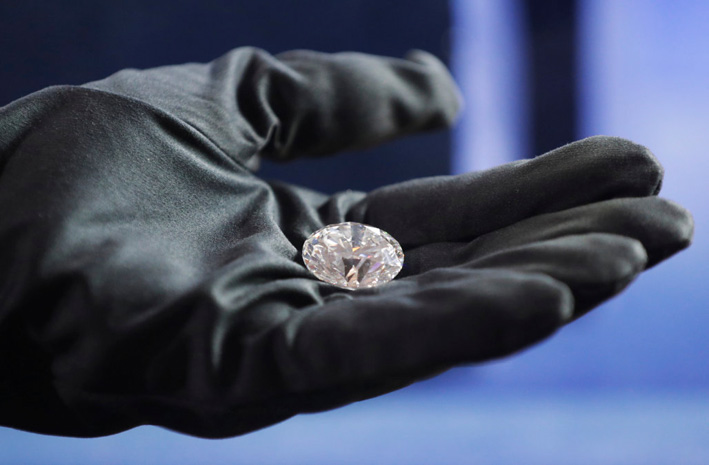
Rose cut. It is a round cut used for diamonds. Compared to diamonds with the modern brilliant cut introduced at the beginning of 1900, with 58 facets, the rose cut has a flat base and 24 triangular facets that rise up to a point (a bit like a pyramid). The base of the stone, however, is flat. The rose cut was introduced in 1600 by the Dutch. The rose cut, which has less facets than the brilliant cut, can give the diamond a vitreous appearance, obviously less sparkling. To try to make it shine more, in some cases the diamond was mounted with a thin metal plate on the bottom, to try to reflect more light, before being set on the jewel. There are jewelers, however, that still today use this type of cut, which gives a vintage look to the jewel.


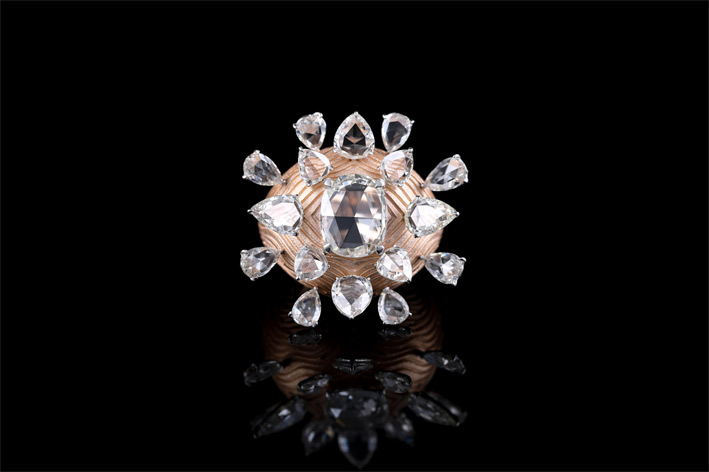
Rose cut diamonds can have single and double cuts facets. The single cuts have only one layer of facets. The two double facets. In more rare cases they are also found with three rows of facets (also referred to as Dutch). The ancient stones with these cuts almost never have a perfectly round circumference: the working of the stones, in fact, was done by hand, by hand, and not by machine as it happens now.
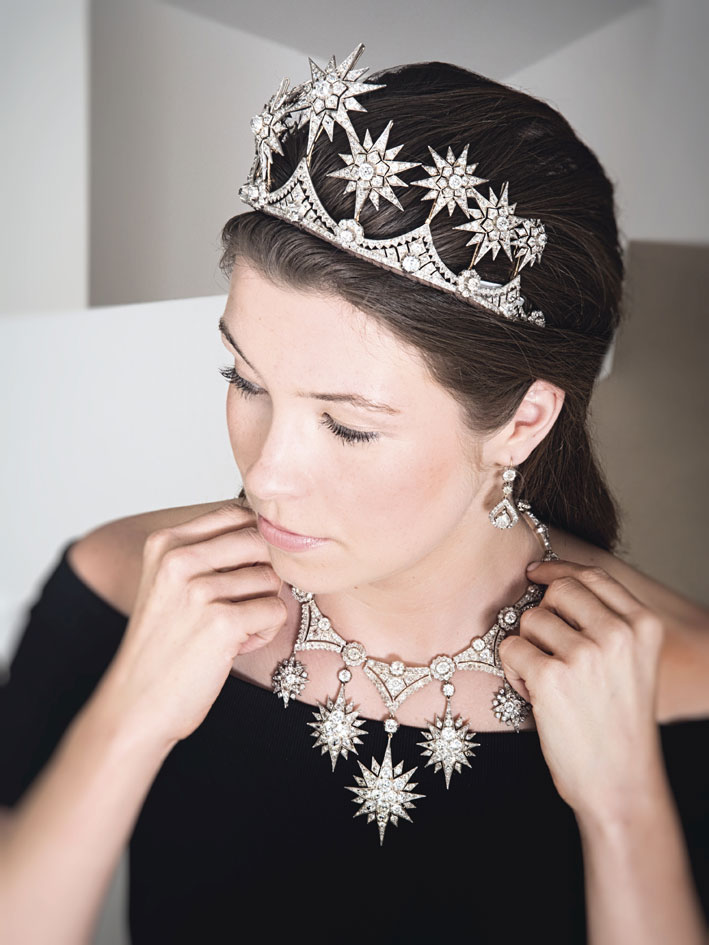
The rose cut was particularly used in jewels between the 1700s and the late 1800s. Although it is associated with the diamond, the rose cut was also used for semi-precious stones, such as garnets, to hide inclusions and a poor coloring.

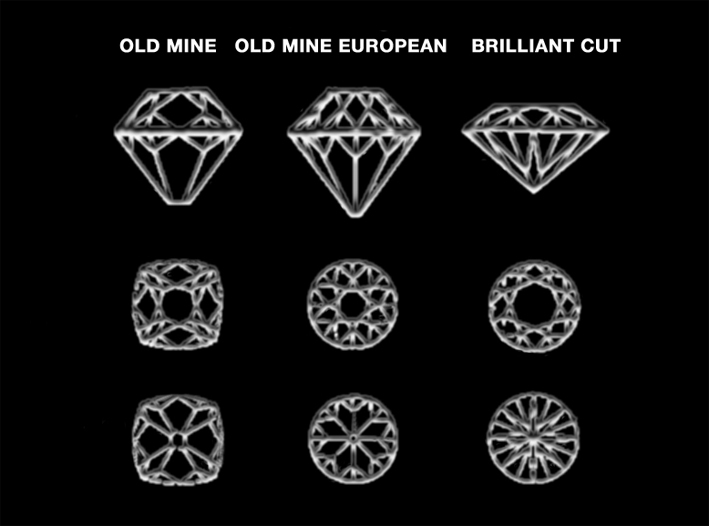
Old-mine cut. It is one of the first types of diamond cuts, which enhances the reflection of light. The mine cut has 56 facets, with a small flat base and a small, equally flat surface. Seen from the side, the minera-cut stone is hexagonal in shape. Sometimes it is referred to as a triple cut. Although the number of facets is similar to that of the modern brilliant cut, the shape of the old-cut diamond mine is completely different. The circumference, in fact, is not round, but is more like a square with rounded corners: it resembles the cushion cut, cushion, with which it is sometimes confused. The name of this cut derives from the arrival, in the mid-nineteenth century, of the first diamonds of the new South African mines. To distinguish these diamonds from those of Indian and Brazilian mines, the name of the old mine was introduced. There is also a slight difference between cutting old American and European mines, with a more pointed rear part.


Asscher cut. The name derives from the inventor, in 1902, of this type of cut: from Joseph Asscher. If you have a diamond of the early twentieth century with this cut, know that it is very rare and, therefore, probably worth a lot ‘of money. It is a perfectly symmetrical diamond with 74 facets. The perimeter is squared (octagonal) and resembles the emerald cut, which instead has only 58 facets. Over time it has evolved slightly: the first Asscher cuts had a slightly smaller surface (the board).