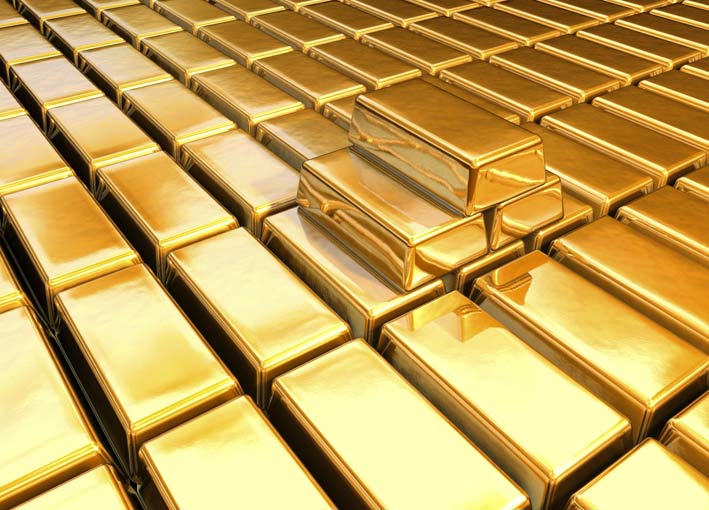

Gold is less brilliant: according to the World Gold Council, demand for gold in the first four months of 2015 opened with a minus 3%, bringing transaction volumes to 600.8 tons. The cause? The report, commented in an article by Anthony DeMarco for Forbes, cites fluctuations in sales almost everywhere in the world, but in particular in the two main jewelry markets: China and India. In the first country there was a 10% drop, or 23 tons less than the previous year (out of a total of 213 tons), also due (it seems) to the effect of the anti-corruption regulations passed by the government. A loss, however, offset by a significant increase in sales in India, where over 150 tons of gold were purchased in these first months, 27 more than in the same period in 2014 and equal to a plus 22%. In short, despite the introduction of a higher tax on imports of this luxury good, Indians are not giving up on jewelry.
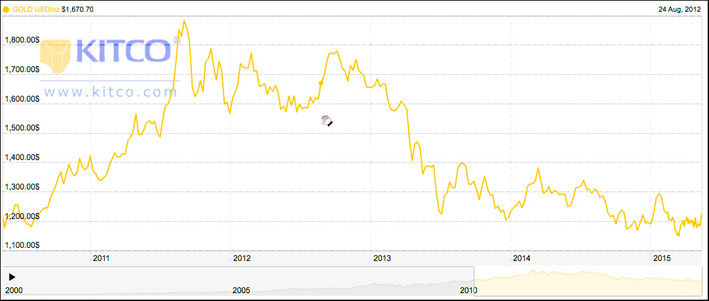
The WGC points out the impact of the numbers on global trends, and notes that, if we exclude China, global demand grew by 1%, good news that turns negative if we also eliminate India. Also because the boom in the first four months of 2015 is relative to the contraction recorded in the same period a year ago, caused by economic uncertainty and government restrictions. While for China, exactly the opposite happened: a great past growth is contrasted by a slowdown in GDP and a rather cautious Outlook on gold. Equally measured is the judgment on the US market: it is true that it is growing for the third consecutive year, but experts speak of a fragile recovery when they refer to +4% with 22.4 tons of gold. The same positive percentage for the United Kingdom compared to a Europe below 2%. But it is doing better than Turkey, minus 28%, Russia, minus 40% and Egypt, minus 31%. But there is Saudi Arabia with its plus 5%.