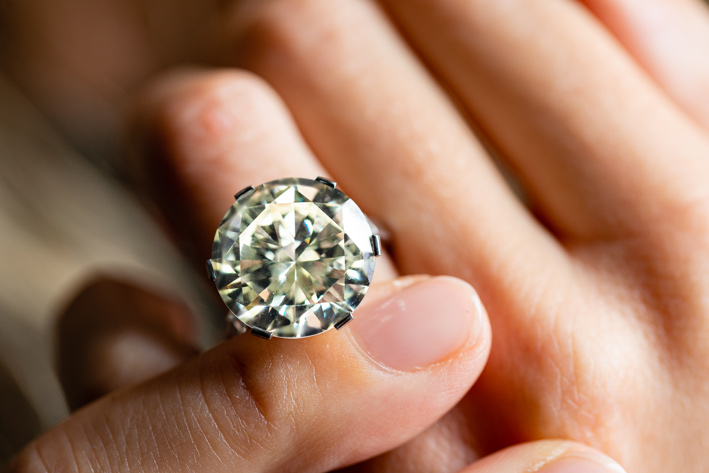
How to choose the diamond for a jewel? Here are 9 useful tips to avoid bad surprises.
As a gift, for your own pleasure or as an investment: buying a jewel with one or more diamonds is often considered a safe choice. But you have to be careful: in addition to identifying the type of jewel you want to get, in most cases it is a ring, you need to avoid the most common mistakes. So here are 9 tips to avoid mistakes when choosing a diamond jewel.
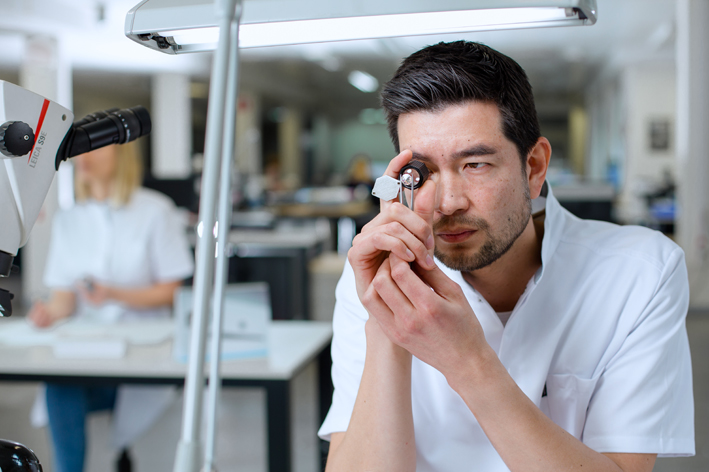
1 Choose a retailer with a good reputation
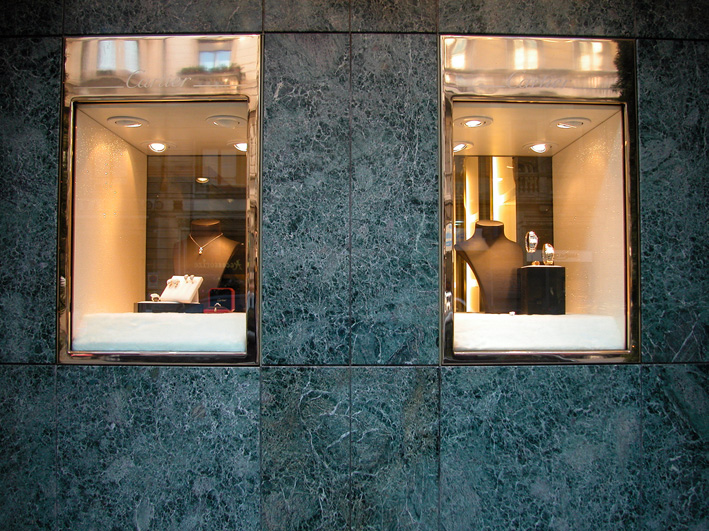
It is much more difficult for a well-known jeweler to be tempted to offer a diamond that is of poor quality or does not match the description of the one being offered for sale. A jeweler’s reputation is very similar to that of a bank: no one would open an account if they suspected they were carrying out a risky operation. The good reputation of a jeweler is certainly not an absolute guarantee, but it is a good start. Here are some aspects that increase a jeweler’s reliability.
- Quality of materials: Use of pure gold and genuine precious stones certified by reputable organizations.
- Honesty and clarity: Fair prices, clear and explained without deception.
- Professional skill: Ability to create or repair jewelry with care and precision.
- Honesty of documents: Presence of genuine certificates for diamonds and gems.
- Listening to customers: Ability to give sound advice and treat everyone with kindness and respect.
- History and opinions: Years of experience and good reviews from others.
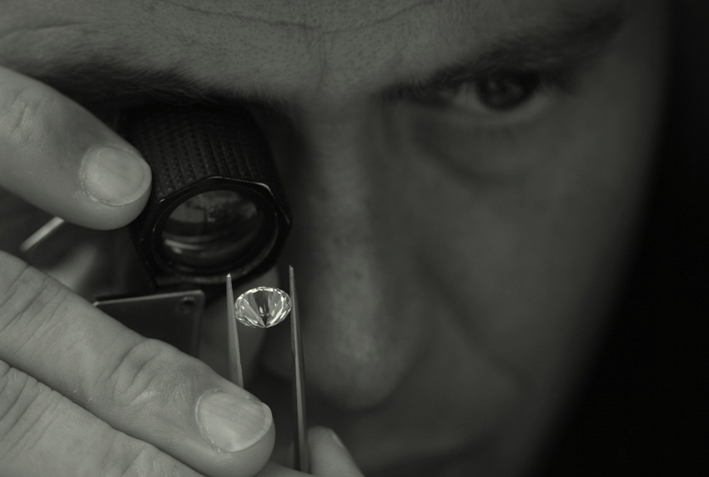
2 Check the 4C
Clarity, cut, color and weight (carat) are the first attributes that determine the value of a diamond (see also here). Before buying a diamond, learn these fundamental notions that determine the value of the stone. And keep in mind that diamonds classified in color D are the best, but they also cost much more than those in category G. Yet few, when you wear a ring, will be able to recognize the difference. Let’s recap what the 4 Cs of diamonds indicate:
- Carat (Weight): Indicates the weight of the stone. One carat is equal to 0.2 grams. Larger diamonds are rarer and more expensive.
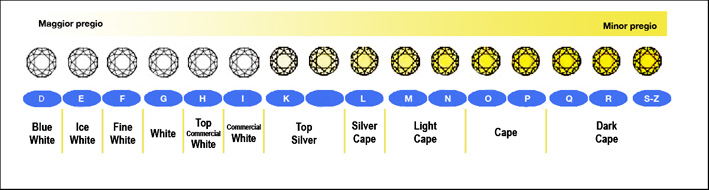
- Color: Measures the lack of color in the diamond. A scale from D (completely colorless and very rare) to Z (yellow or brown) is used. The whiter the stone, the higher the price.
- Clarity: Counts the small marks or flaws inside or outside the stone. The fewer flaws, the better the light passes through. A high clarity makes the diamond very valuable.
- Cut: Shows how the stone was crafted and polished. A good cut makes the diamond sparkle much more. It plays a major role in the final beauty of the gem.
3 Ask a certification
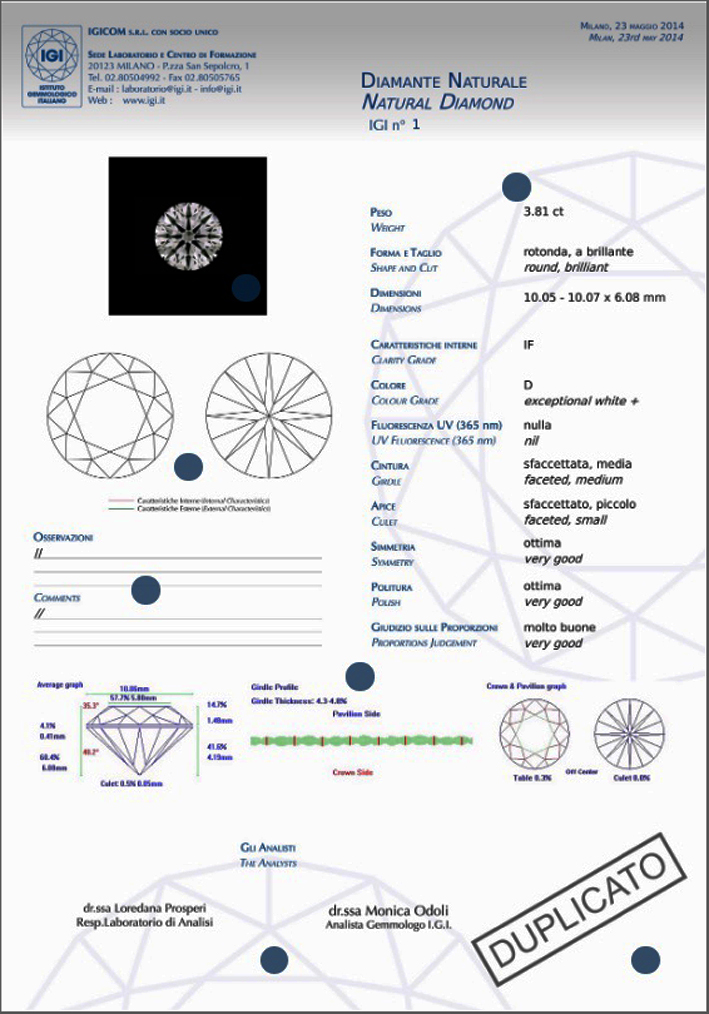
Naturally, all the characteristics of the diamond must be certified by an impartial body. For diamonds, a certification known and considered reliable internationally is that of the Gia, the American gemological institute. But there are also others, such as those of the High Council of Diamonds (Hrd, Hoge Raad voor Diamant), or the certificate of the International Gemological Institute (Igi), etc. In summary: do not buy a diamond without a certificate. However, keep in mind that very small and light diamonds are often not sold with a certificate. Another problem that should not be underestimated is the risk that the certificate is fake. This also happens, but fortunately it is not frequent. However, many diamonds, even small ones, are marked with an invisible (to the naked eye) laser code: an aspect that you can verify. Here are some of the data reported in diamond certifications.
- Precise geometric measurements in millimeters (diameter and height).
- Certificate Number: A unique code often laser-engraved on the diamond’s girdle for easy identification.
- Fluorescence: The diamond’s reaction to ultraviolet (UV) light.
- Symmetry and Finish: Details on how light reflects within the gem.
4 The cut
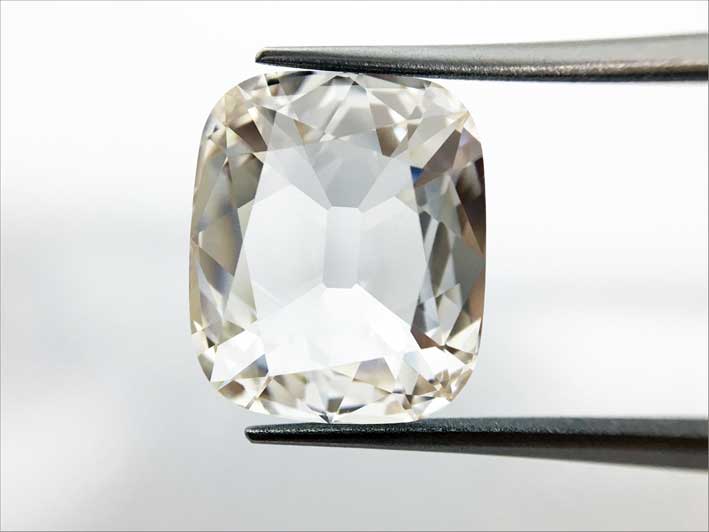
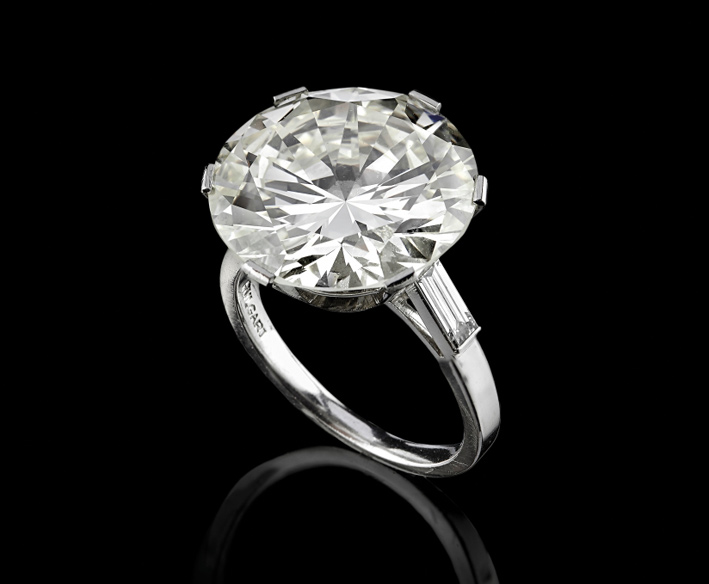
It is a mistake to think that color and purity are the main things. Another important characteristic, capable of influencing the cost of a stone, is the type of cut. It is perhaps the most difficult aspect to evaluate if you are not an expert. But, for example, a diamond with a cut that is too deep will make a smaller principal surface area of the stone relative to the weight. The result is that it will shine less. A well cut diamond will also be easier to resell in the future and will produce more intense reflected light. Furthermore, the type of cut also influences the perception of the color of the diamond. The quality of a diamond’s cut is important, but choosing the right shape for your piece is equally crucial. The most famous and luminous cut is the round brilliant, which has 57 or 58 facets. All other styles are called fancy cuts. Here are the main diamond cuts (but there are also other less commonly used ones, such as trillion or Asscher):
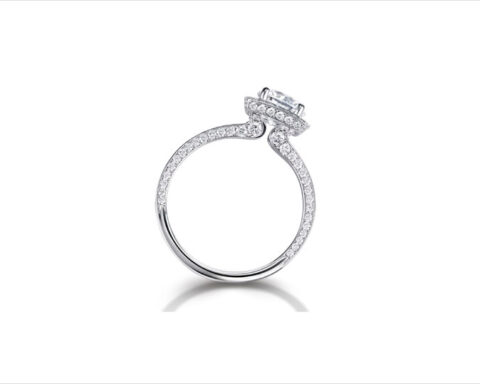
- Round Brilliant: The classic cut for a solitaire ring; it offers the advantage of offering maximum brilliance.
- Princess: It has a square or rectangular shape with sharp corners; very brilliant.
- Emerald: So called because it is widely used for emeralds. It is octagonal in shape with wide steps.
- Oval: It has an elongated line, combining the brilliance of the round cut.
- Pear or teardrop: It combines the round shape with a single point; it elongates the hand. It can be more or less elongated.
- Marquise or Navette: This is a boat-shaped cut with two prongs, making the stone appear larger.
- Cushion: This is an ancient cut with rounded corners and large facets.
- Heart: A romantic symbol based on the round shape.
5 Alone or with others?
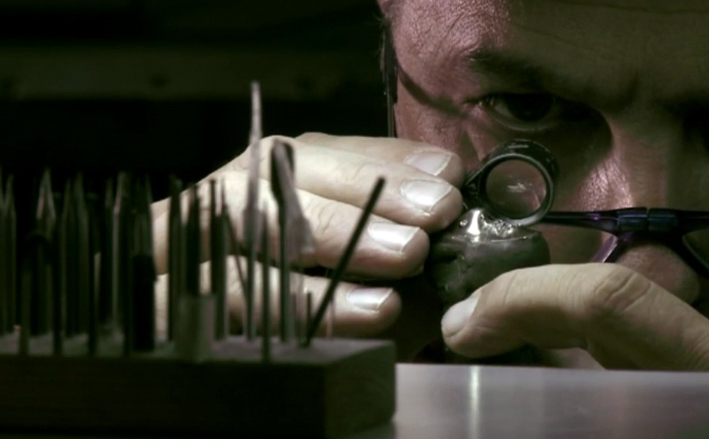
Is it better to buy a diamond mounted on a jewel, or a single stone to keep in the bank? Maybe the right thing is neither one nor the other. There is a third solution: buy a single diamond, already cut, in order to observe its proportions well, and then have it mounted on a jewel. In this way there is the guarantee that even the non-visible part of the jewel is cut well, and in addition you can wear the jewel. Caution: setting a diamond in a piece of jewelry requires the work of a master goldsmith (setter), who uses precision tools to secure the stone in the metal without damaging it. Glue is never used; the gem is held in place using mechanical techniques. Therefore, it’s essential to consult an experienced goldsmith.
6 Colourless or fancy?
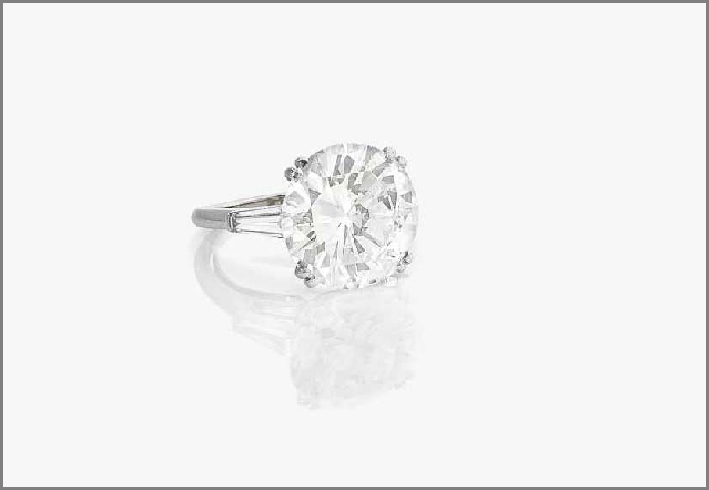
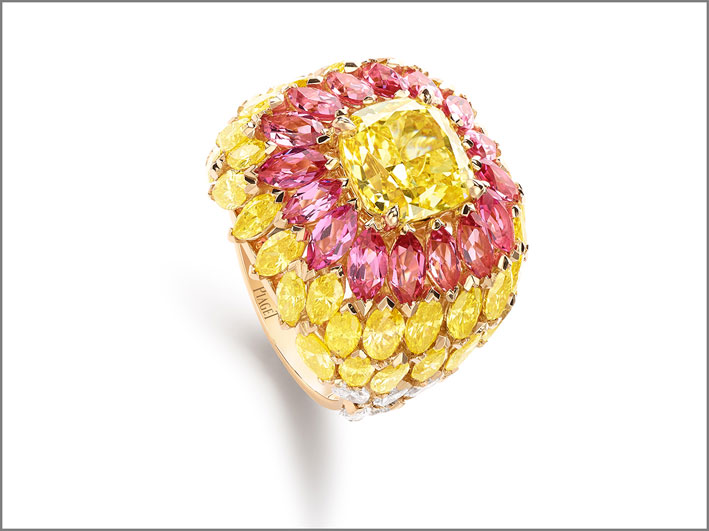
For years the prices of colored diamonds have been on the rise. But choosing a colored diamond is more difficult, although a certification that specifies the type and grade of color helps. In general, the more vibrant the color, the higher the price. But be prepared to write a check with lots of zeros. On the other hand, the purchase of a jewel with a brightly colored diamond (yellow is the most common) could be a good deal in perspective, given that the value of these stones is in great demand. Here is the diamond color scale (from D to Z)
- D – F (Colorless): The rarest, most valuable, and most expensive. They have an exceptional whiteness.
- G – J (Nearly Colorless): To the naked eye, they appear white, especially after setting. They offer excellent value for money.
- K – Z (Slightly Yellow or Brown): They display a progressively more evident hue as the letters increase.
Fancy Color Diamonds
- Diamonds that exceed the Z grade or that exhibit intense, natural hues other than white are called fancy colors and are extremely rare and valuable.
- The most well-known colors are yellow, pink, blue, green, and the very rare red.
- The color comes from traces of internal chemical elements (such as nitrogen or boron) or from alterations in the crystal lattice.
7 Better a neutral light
A piece of advice: when you go to the jewelry store they will show you the jewels illuminated by small spotlights that focus the light on the jewels. They are made to enhance the reflections of diamonds, which shine more. However, ask to observe the diamond with a neutral light, as happens in normal life situations. You will get the idea of how shiny the stone you want to buy can be. By moving the jewel slightly in the light, you can verify the reflective capacity of the stone: a good indication to evaluate its purity and correct cut.
8 A different idea
Even if the diamond that is offered to you looks fantastic, spend a handful of minutes in two or three other jewelers: comparing jewels and prices is always the right thing to do. Of course you have to take into account the quality of the diamond and its weight. By the way, here’s another tip: choose diamonds that have an “odd” weight. For example, a 0.49 carat diamond will cost much less than a 0.51 carat diamond, even if it is practically indistinguishable to the eye. The price varies greatly if it exceeds 1 carat. In short, a 1-carat diamond costs much more than double that of a 0.50-carat stone of the same quality, because larger stones are rarer. Prices jump significantly for round weights (such as 0.50 ct, 1.00 ct, or 2.00 ct). A stone just below the threshold (such as 0.94 ct or 1.95 ct) costs less than a 1.00 ct or 2.00 ct stone, even if they appear virtually identical.
9 Ask for a guarantee
Many jewelers offer a guarantee on the stone you are buying. Do not be ashamed to ask for it: grant it is also a great advertisement for the same jewelers. The jeweler, in addition to the gemological institute certificate, can issue a purchase document describing the metal used (for example, whether it’s 14kt or 18kt gold), the weight, the stone type, and the basic characteristics. This serves as a receipt and a legal commitment regarding the characteristics of the purchased jewelry.