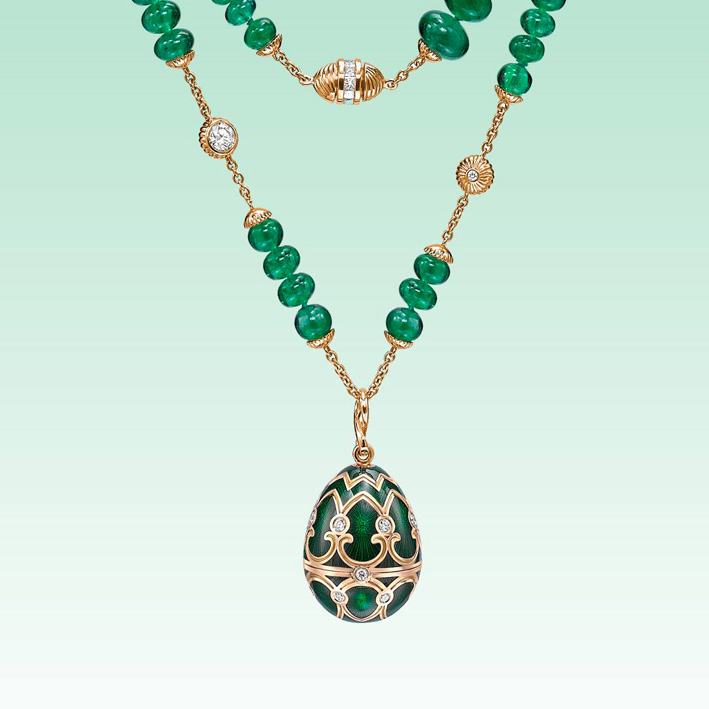
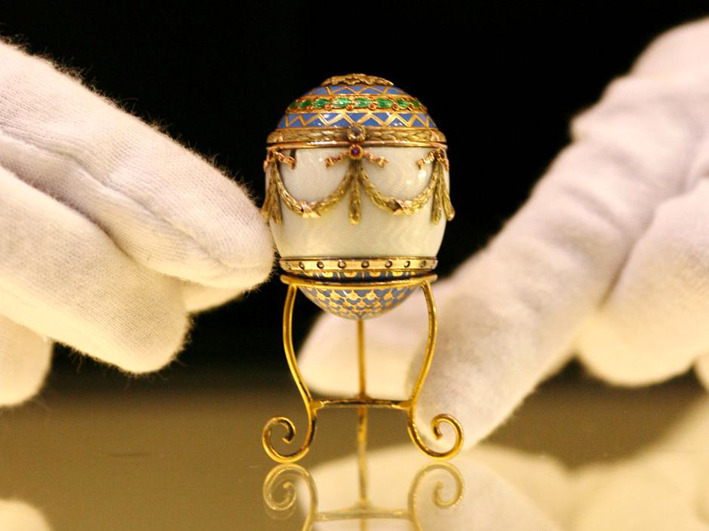
The hottest news in the jewelry world this August was the sale of Fabergé by Gemfields Group. The historic jewelry brand, whose name is linked to the decorated eggs collected by the tsars, was purchased for $20 million by SMG Capital, Sergei Mosunov’s venture capital fund. The most surprising aspect, however, is not the sale itself, as it is part of Gemfields’ strategy to streamline its business, but rather the identity of the buyer.
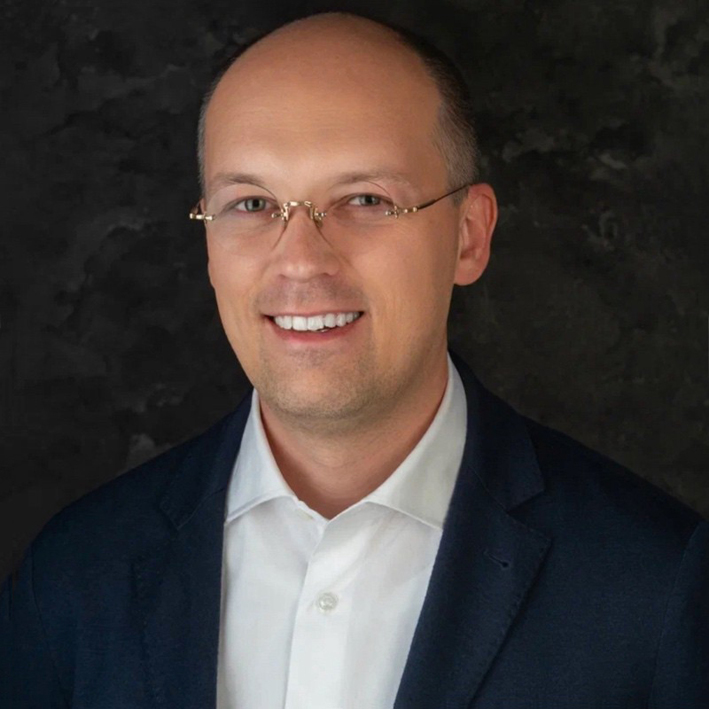
Mosunov, a Russian based in London, is a “serial” entrepreneur, by his own definition, and a venture capitalist with a deep focus on cutting-edge technologies, from optics and photonics to artificial intelligence, biotechnology, and foundational models. His journey, he explained, began with the founding of R’Ain Group, a high-tech manufacturing company specializing in ZnSe-based infrared optics and CO₂ laser systems. In short, he doesn’t seem like the perfect fit for a jewelry enthusiast.
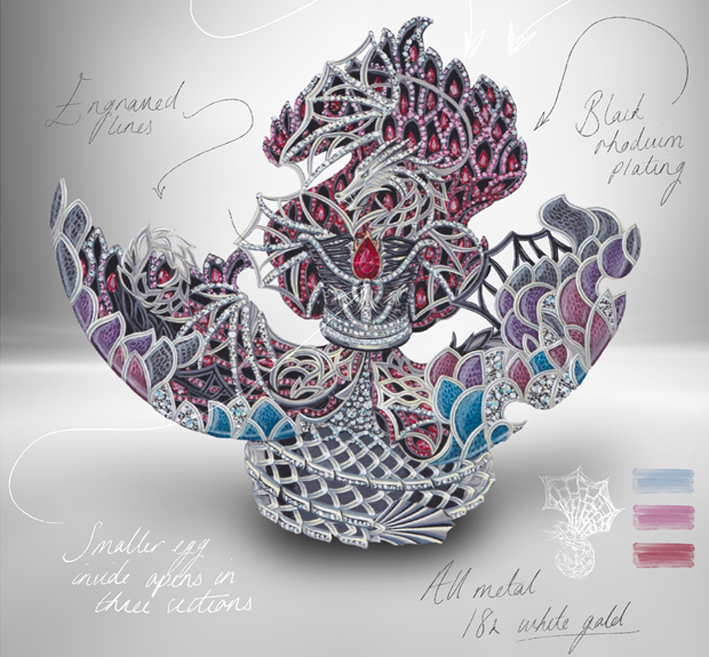
Gemfields acquired Fabergé in 2012 to strengthen its gemstone business and promote the brand in the jewelry industry. According to CEO Sean Gilbertson, this transaction “marks the end of an era for the company. Gemfields presents itself as a leaner, more focused group.” The sale of the prestigious brand was also due to the decline in Gemfields’ shares, which nearly halved due to a decline in the luxury goods market and unrest in Mozambique, which affected ruby mining operations.
Fabergé, founded in 1842, is famous for creating 50 decorated eggs for the Russian imperial family between 1885 and 1916. This role is attributed to Peter Carl Gustavovich Fabergé, also known as Charles Fabergé, a Russian goldsmith and jeweler. He is best known for creating Fabergé eggs, which are styled after real Easter eggs, but using precious metals and gemstones rather than more mundane materials. He was one of the sons of Gustav Fabergé, the founder of the House of Fabergé, founded in 1842 in St. Petersburg, Russia, using the accented name Fabergé. The brand subsequently had a rather complicated history, with ownership of several companies (including Unilever) and lawsuits until 2013, when it was acquired by Gemfields. Now a new chapter begins.