
Tiffany’s Slip. Or, if you prefer, Tiffany’s Disappointment. The great jewelry house had a bad day due to its accounts: it increased its turnover and, paradoxically, the Stock Exchange punished it. The Fifth Avenue jeweler, also famous for the film with Audrey Hepburn, Breakfast at Tiffany’s, announced growing results, but below analysts’ estimates.

Result: the stock began to collapse, then rose again and recovered ground. Tiffany is the second largest jewelry group in the world, after the Swiss Financier giant Richemont. In 2013, it announced revenues up 6%, over 4 billion dollars (but “only” +5.1%, 1.3 billion in the Christmas gift quarter), and profits below expectations due to higher costs for both store rents and staff. As if that wasn’t enough, Tiffany paid out $460 million in damages to Swatch after losing a lawsuit. Profits fell 56% to $181 million. However, excluding the Swatch settlement, they would have increased 15% to $481 million. And what about 2014? The fashion house announced that it expects profits to increase by 8-9%. A figure that would make most companies happy. Yet Wall Street doesn’t seem to be satisfied.


(Brief) Disappointment at Tiffany
You might be interested in





Latest from news
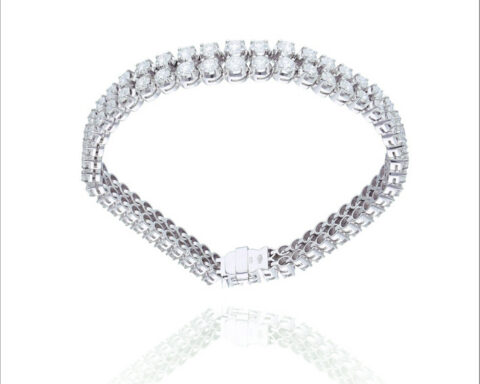
180 pieces in gold, platinum, and diamonds—including bracelets, necklaces, and rings—are now up for sale. Affide’s

A Buccellati boutique in the heart of the Tuscan capital, in keeping with tradition. Buccellati opens

The Fantasy Bra, unveiled at the Victoria’s Secret Fashion Show, was crafted by Jacob & Co.

The Richemont group is interested in joining the race to acquire the brand synonymous with diamonds.
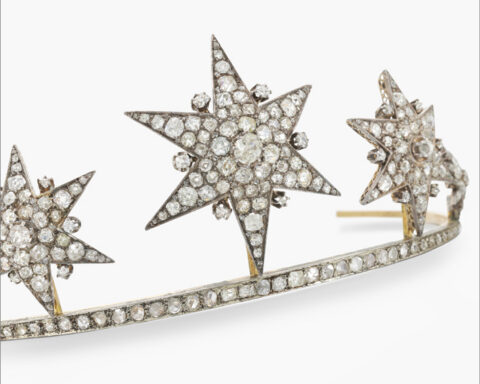
Jewelry by contemporary artists and historic pieces feature in an online sale hosted by the auction