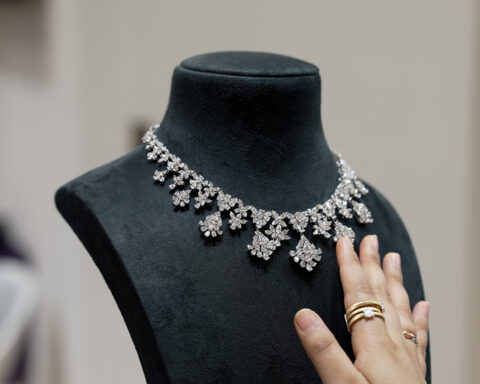
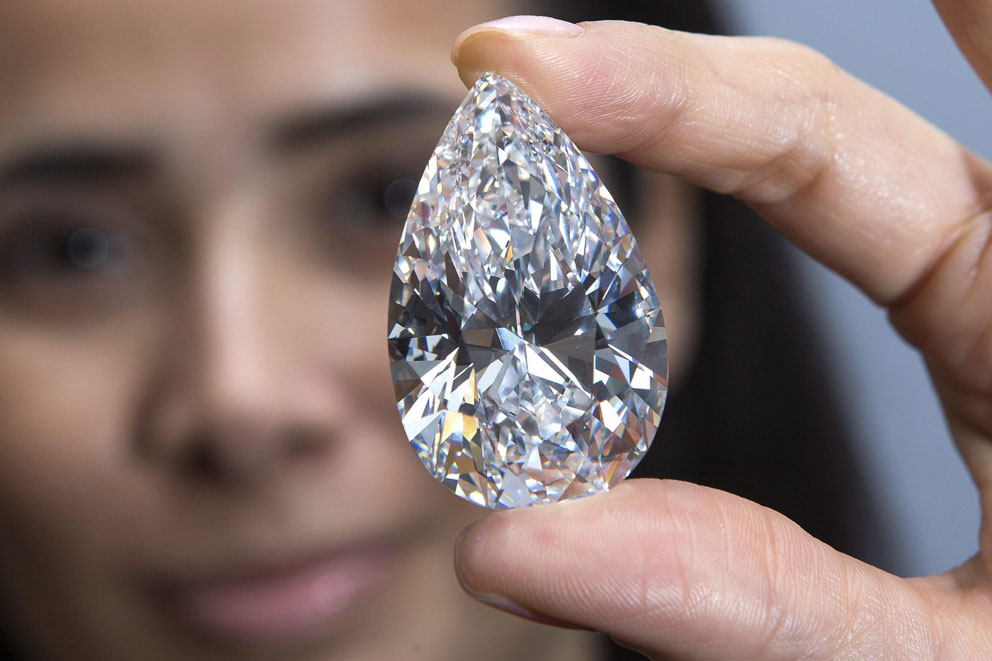
Donald Trump’s tariffs, the wars in Ukraine and Palestine, and the rise of lab-created diamonds are the causes of the collapse in diamond demand. The economic performance of De Beers, a company almost synonymous with diamonds, suggests that market demand for the most beloved stone has plummeted. A decreasing demand for rough stones is also evident in the company’s second-quarter results, published as part of parent company Anglo American’s broader report on all its activities. Perhaps it’s no coincidence that the mining group decided to sell De Beers, even though the market is currently unfavorable. Diamond prices have fallen accordingly, except for exceptional gems.
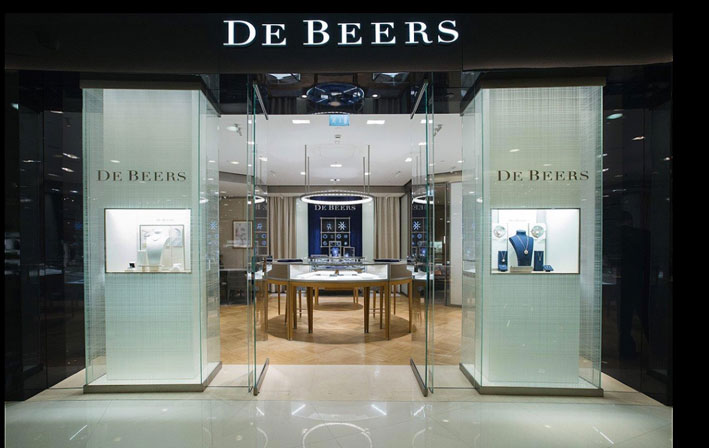
De Beers is the company that once controlled over 80% of the global diamond market and coined the slogan “A diamond is forever.” Yet, a few years ago, the company had the brilliant idea of also offering lab-created diamonds under the Lightbox brand, a strategy of self-cannibalism. The result: Anglo American was forced to drastically cut the valuation of the De Beers brand and closed Lightbox.

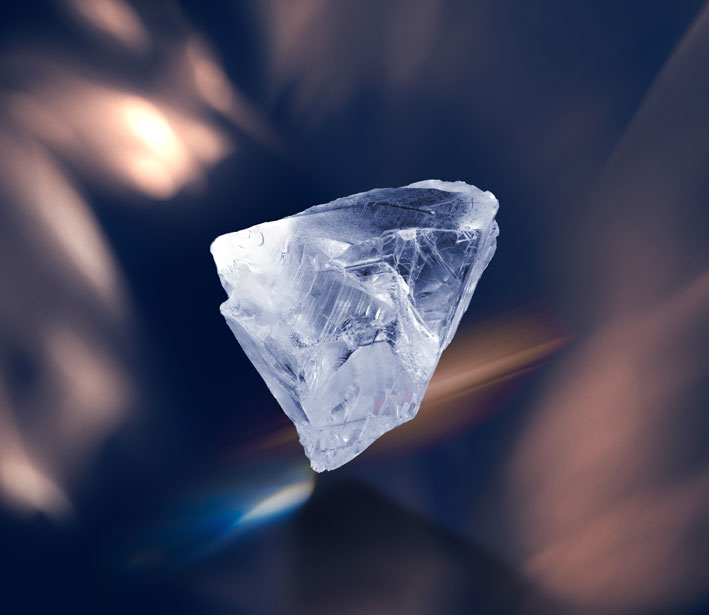
In any case, the data on the decline in diamond purchases are unequivocal: in the second quarter, De Beers’ production fell 36% year-on-year, to 4.1 million carats compared to 6.4 million in the same period the previous year. Specifically, the most significant production decline, 46%, was recorded in Canada, where De Beers operates a diamond mine (Gaucho Kué). Production also plummeted in Botswana, with a 44% drop, and Namibia, with a 5% drop. Only in South Africa, where De Beers began mining at the Venetia mine, was a 17% year-on-year increase recorded.

The crisis is also affecting other companies in the sector: in addition to geopolitical tensions, the diamond market is looming over the prospect of lab-created gems achieving greater than expected success. And this is why the diamond market crisis is affecting not only De Beers, but also other big names in the sector. Gem Diamonds has cut 250 jobs, reducing monthly costs by $1.6 million in response to a 43% decline in sales, exacerbated by a 26% drop in average diamond prices. Another player, Burgundy Diamond Mines, has completely suspended operations.

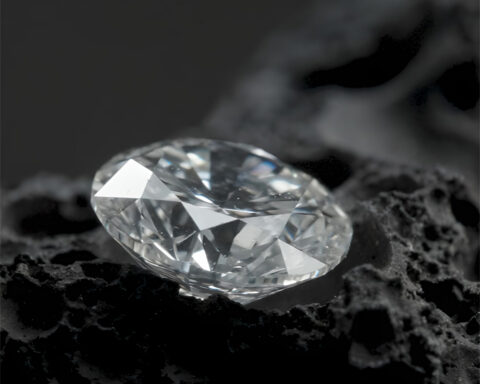
The American market has been hit hardest by the synthetic diamond revolution. The vast majority of lab-grown stones come from China and India. The central Chinese province of Henan, for example, now produces over 70% of the lab-grown diamonds destined for jewelry. Many are chosen for engagement rings, especially in the United States: a 2024 survey conducted by The Knot of nearly 17,000 American couples found that more than half of engagement rings featured a lab-grown diamond, a 40% increase from 2019. Lab-grown diamonds are chemically identical to natural ones; they have less allure, but they are chosen because they cost less. And their prices continue to fall. So whoever A person who purchased a synthetic diamond jewelry piece a few years ago now finds themselves with a devalued investment.
But the trend seems unstoppable: in the US, the supermarket chain Walmart began selling lab-made stones three years ago; they now represent half of its diamond assortment. Sales increased 175% in 2024 compared to the previous year, making the retailer the second-largest jewelry retailer in the country.