
Old mine, rose, asymmetrical cuts: the new trend is non-standard gemstone cuts.
Brilliant, briolette, heart, oval, emerald, pear, Asscher, cushion, and so on. Diamonds can take on many shapes, and these are also the most commonly chosen by buyers. But this isn’t always the case: there are also exceptions, which are becoming increasingly popular. An overview of non-standard gemstone cuts is, for example, one of the focuses of GemGenève (May 7-10, 2026), which will feature atypically shaped gemstones. As noted by American dealer Randy Poli, owner of Poli Trading Company, a Los Angeles-based trading company specializing in the sale of atypically shaped diamonds, the trend for “odd” cuts is largely due to social media. Instagram, Poli explains ahead of GemGenève, has proven to be a valuable tool for informing consumers and creators of the existence of these unusual cuts.

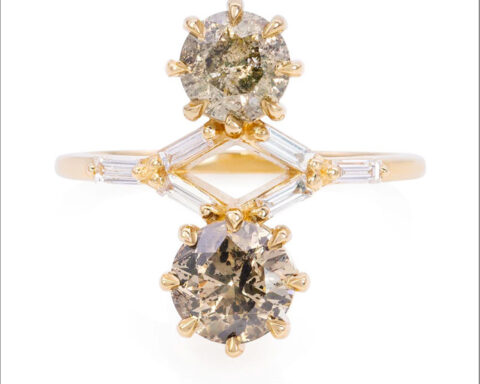
For example, the boom in the old mine cut. This is a simpler, more artisanal cut, linked to the origins of diamonds and the history of the first mines in India and Brazil. This cut features a diamond with a rounded square girdle, 32 facets on the top and 24 on the bottom, and a flattened point (compared to modern round brilliants, which have 58 facets). Old mine diamonds were popular from the 18th to the 19th century, until the late 19th century when the Old European cut took over.

In addition to the sharp increase in popularity of pear-shaped gem cuts, asymmetrical stones, and octagonal cuts, the demand for old mine cuts is also growing rapidly. This revival can be partly explained by the fact that today’s buyers (especially the younger generations) increasingly favor individuality over uniformity, adds Dubai dealer Glittering Gems. New enthusiasts are drawn to old mine or rose-cut diamonds for the allure of hand-crafted facets, slight irregularities, and their profoundly artisanal character. The rose cut features a rounded top and a flat bottom, with between three and 24 facets. If the facets are few, the stone is called a rosette-cut diamond. In short, these stones fall outside the modern standard and the perfection of identical stones.
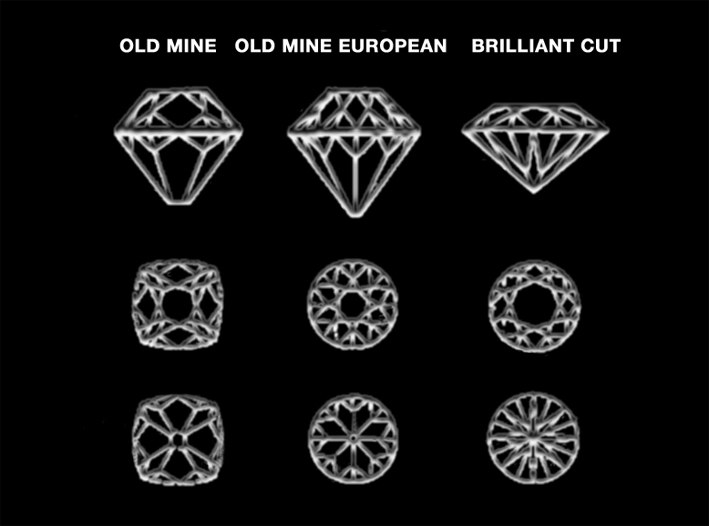
Another popular shape is that of the flat stones of Mughal and Georgian inspiration, often elongated, which are experiencing a renewed revival. Their original proportions and elegant brilliance offer new stylistic possibilities to designers. Be careful, though: there are authentic Old Mine cuts, but also vintage-inspired ones, often called “vintage cuts,” meaning modern diamonds hand-cut using ancient techniques.
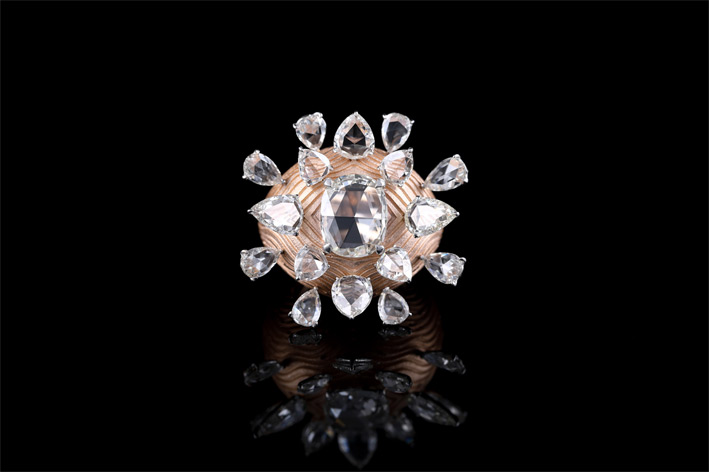
Glittering Gems has offered vintage cuts since the 1980s, because with the passage of time, true antique cuts are becoming increasingly rare. Many antique stones have been recut to bring them into line with contemporary standards. The result: genuine diamonds are therefore rare, which, combined with their historical provenance, makes them particularly attractive to collectors and buyers who consider jewelry both works of art and investments.