
The next event is scheduled for May 7-10, with 199 jewelry and precious stone dealers in attendance.
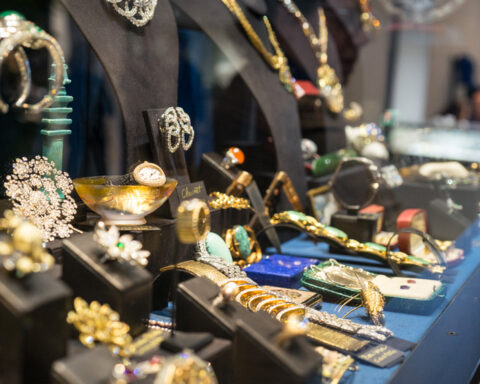
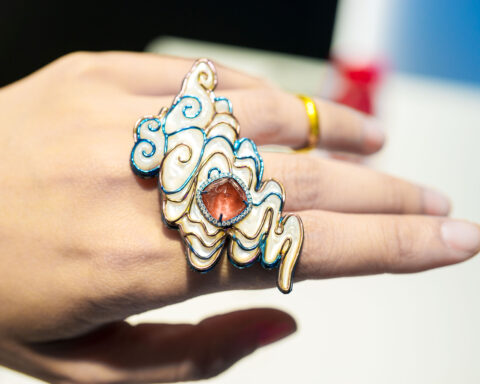
GemGenève, a classic jewelry and gemstone event, is celebrating its tenth anniversary. The next event is scheduled for May 7-10, coinciding with the major Sotheby’s and Christie’s auctions in Geneva. The event, which will be held in Hall 2 of Palexpo, is now a well-established reality: the 2025 edition attracted 4,970 visitors. Over the years, the show, founded by Ronny Totah and Thomas Faerber, has become an important event on the agendas of professionals and collectors from around the world. 199 dealers will be present at the next GemGenève; so far, 154 nationalities have attended, including specialists in precious stones, vintage jewelry, and designer jewelry.
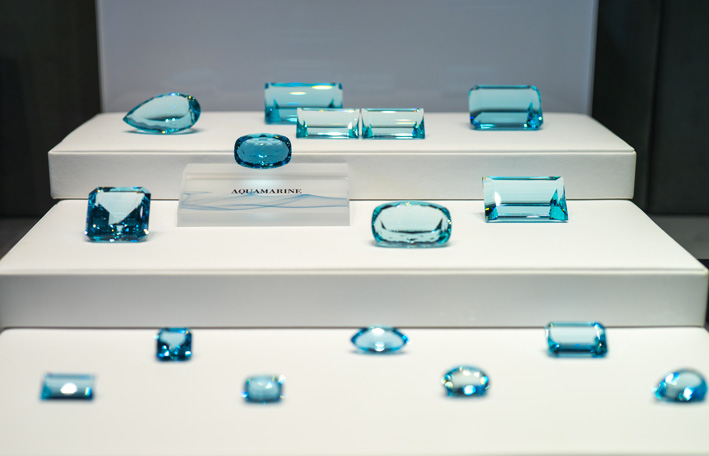
For the new edition, the GemGenève organizing team—Nadège Totah, Audrey Fontanille, Alexandra Di Giuseppe, Anouk Lettang, Camille Erath, Mathieu Dekeukelaire, and Ronny Totah—is opting for a new visual identity by Black Stain Studio, based on a sketch by Harmonie Takacs, a 2025 DNMADe (Diplôme National des Métiers d’Art et du Design) student at Lycée Edgar Faure in Morteau, and developed by artistic director Mathieu Grondin. The GemGenève 2026 campaign reflects the show’s ambition: to bring together all the worlds that comprise the jewelry sector in a single spirit of communication, diversity, and excellence.
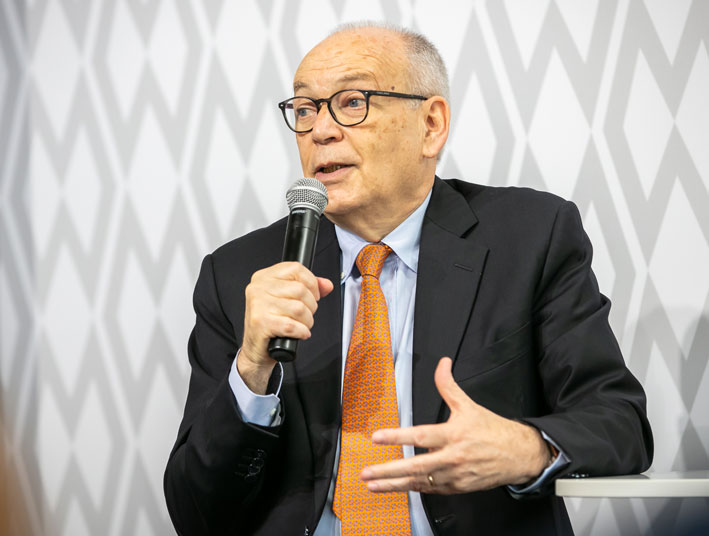
Ronny Totah
GemGenève is an event where budding professionals may be found right alongside leading, well-established traders with worldwide reputations. Was connecting different generations part of your aim for the show?
Ronny Totah: GemGenève is indeed a deliberately intergenerational event, and it is our strong desire to keep it that way and to promote small and medium-sized entities. Of course, we also welcome leading dealers, but it is vital to maintain balance and allow smaller businesses to exist alongside them.
At each edition of GemGenève, there has been a tradition of arranging discussions with professionals to seek their opinion on major strategic decisions. What is behind this interest in participatory management?
RT: For the event to stay in tune with market needs, it is absolutely vital for us to pay attention to what professionals are saying. This discussion takes place on Friday morning, before the show opens to the public. All exhibitors are invited to come along and share their feelings about the edition in progress. The feedback is invaluable, allowing GemGenève to stay connected to its ecosystem. Listening to others includes hearing about any dissatisfaction and taking negative comments on board so we can then improve everything that can be, and open up new perspectives. The discussion time also offers an opportunity to talk about the future, ask exhibitors about their expectations and get a feel for the prevailing atmosphere. Our show exists because exhibitors want it to, and we work with them as we do our best to ensure it goes as well as it possibly can.
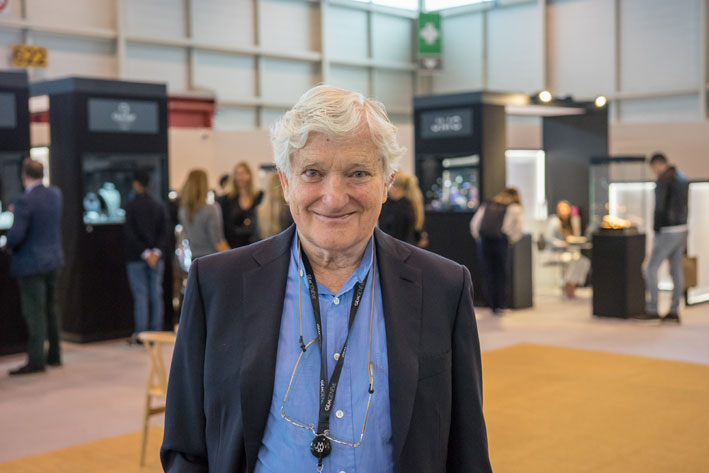
Thomas Faerber
What does the ideal tradeshow look like for exhibitors?
Thomas Faerber: The best kind of show is when exhibitors, visitors and buyers alike all get what they came for. The main aim is of course to make sales, but there is much more to it than that. An exhibition is also an opportunity to make contacts, meet new customers and suppliers, make yourself known and show that you are present on the market. There needs to be a good dynamic, too. If exhibitors feel understood and listened to, and go away satisfied in terms of the business they have done and how the event was organised, then we really can say that we have had a good show.
What makes GemGenève different from other major trade fairs?
TF: The crucial difference is that GemGenève has been set up and organised by exhibitors. That changes everything. Our aim as organisers is not to turn a huge profit, simply because this is not our core business. We are merchants first and foremost, and as such were keen to devise an event that really matched our needs and those of our colleagues. That philosophy is obvious everywhere you look: the atmosphere, the degree of transparency, and the climate of mutual respect. We know what we are talking about, because we are all in the same ecosystem.
New exhibitors have joined the GemGenève adventure at each successive edition. Do you think the event is drawing market players closer together?
TF: Yes, very much so. We have always had a broad swath of exhibitors, from purebred diamond firms to gemstone merchants via antique jewellery specialists and contemporary artists, as well as schools and craftspeople. We felt it was important to give new, emerging designers a place right up there alongside well-established firms – and that diversity adds real breadth and depth. As well as the exhibitors themselves, we also attract the media, private collectors, students and future players in the business, and as a result we offer a full, living picture of the sector, giving the general public a clearer understanding of a specialist field that’s still somewhat shrouded in mystery in their eyes. In that sense GemGenève does indeed bring together a whole ecosystem focused on our shared passion.