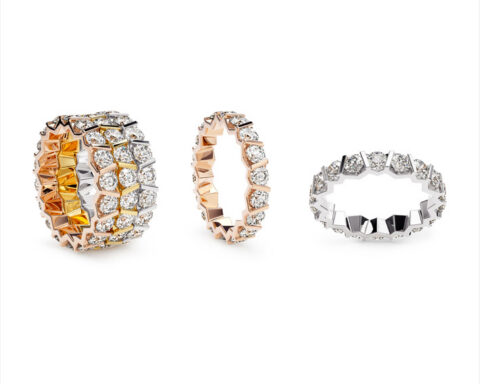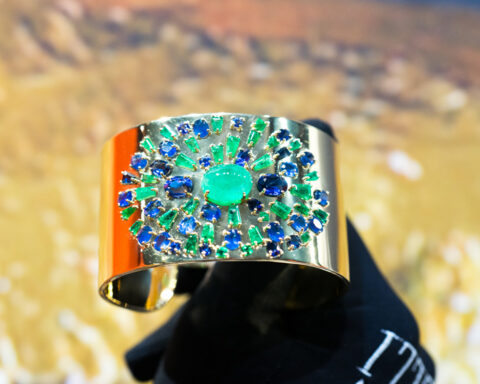

The historic Verdura brand continues to relaunch jewelry designed by its founder, Sicilian designer Fulco di Verdura. But that’s not all.
Verdura is an American jewelry brand, but it was founded by the eponymous Italian designer Fulco di Verdura. Today, it offers jewelry to a sophisticated clientele who appreciates classic elegance and a rich historical legacy. Indeed, few jewelry brands can boast such a special pedigree.
A Sicilian Duke in New York
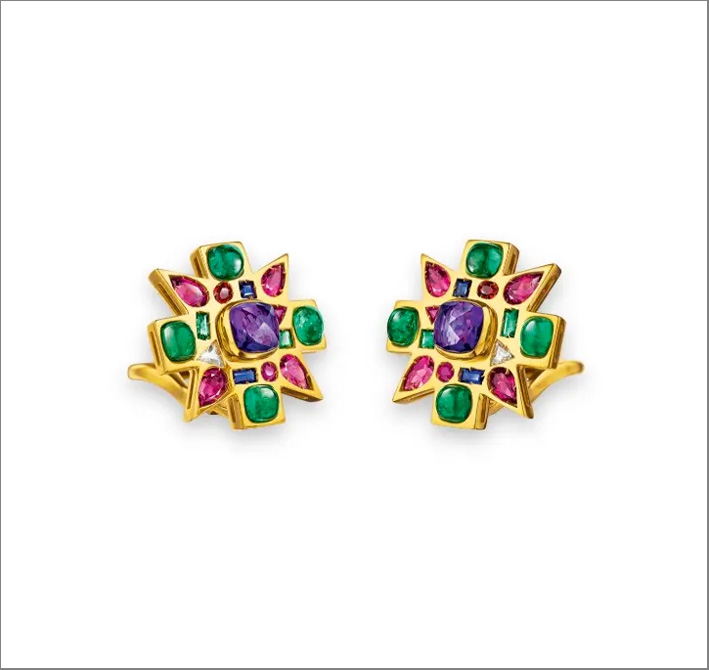
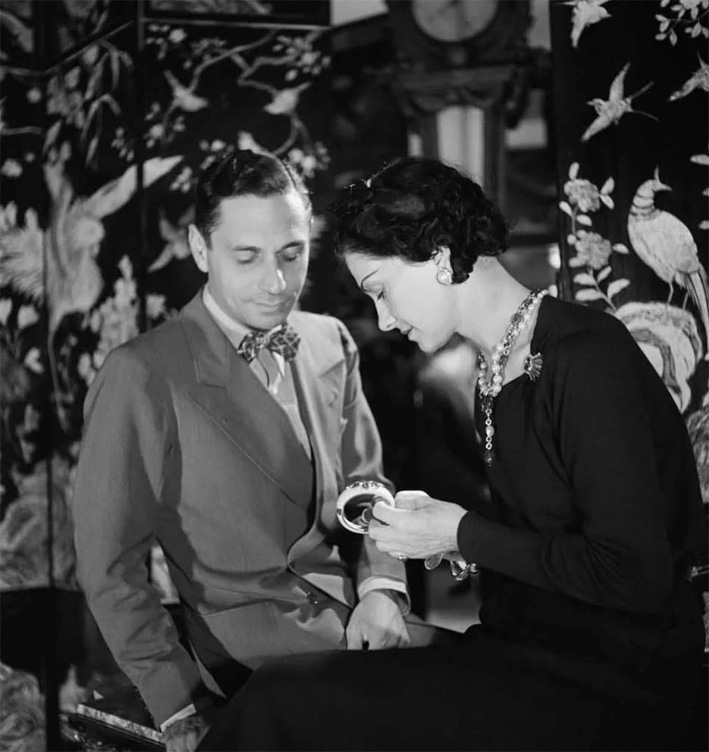
Fulco Santostefano della Cerda, Duke of Verdura (Palermo 1898 – London 1978) was the cousin of the nobleman and writer Giuseppe Tomasi di Lampedusa (author of The Leopard). Verdura brought his aristocratic elegance and creative flair from Europe to America. After beginning his career in Paris, collaborating closely with Coco Chanel, for whom he created the famous Maltese cross bracelets, he moved to New York in 1934.
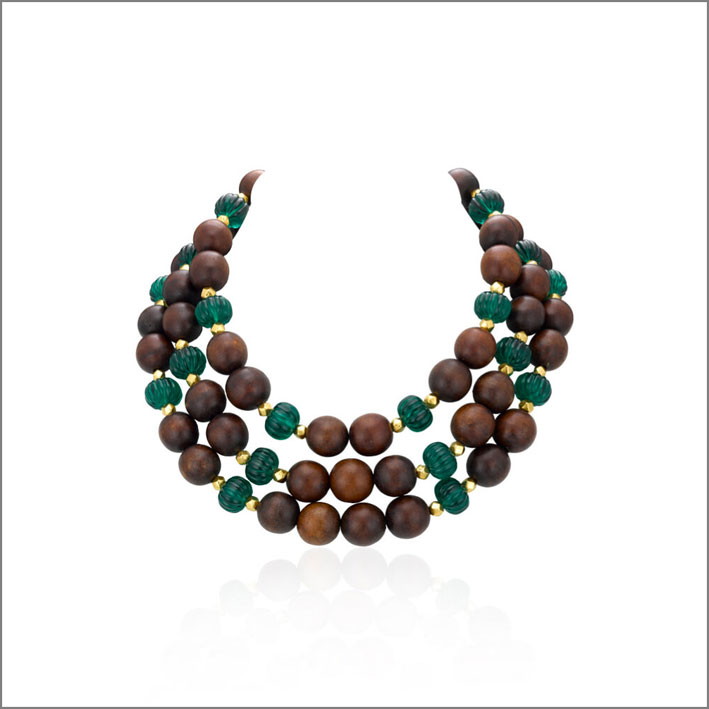
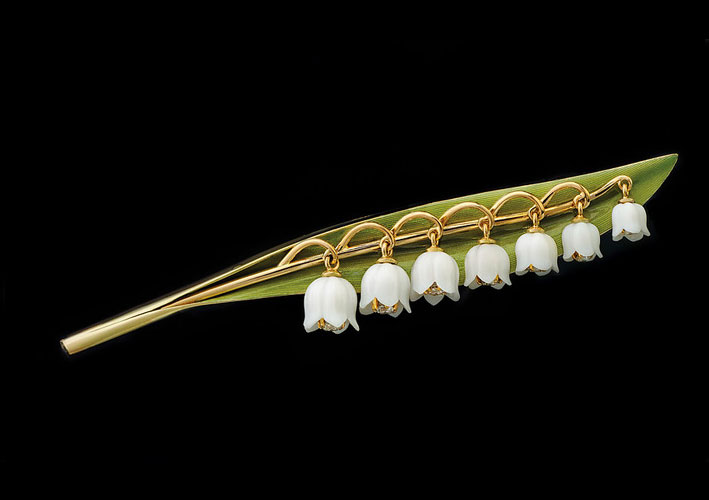
Verdura opened his boutique in the Big Apple in 1939, quickly becoming the jeweler of choice for Hollywood’s elite and American high society, including icons such as Greta Garbo, Marlene Dietrich, and the Duchess of Windsor. His style was characterized by a bold use of color, shapes inspired by nature and Renaissance art, and meticulous attention to detail, elements that still define the brand’s aesthetic today.
Verdura Today
Today, the Verdura brand is headquartered in New York. It is currently owned by the Landrigan family. In 1983, Ward Landrigan, former head of Sotheby’s jewelry department, purchased the company from Jack Yeaton, who owned the brand. The company is now run by his son, Nico Landrigan, and continues to produce jewelry inspired by the founder’s original designs. Under the current management, the brand has reimagined Fulco’s iconic designs, as well as entirely new collections.

There are also faithful reissues of historic masterpieces, such as the Maltese Cross Cuff Links bracelets and Shell brooches, alongside new creations that reinterpret the legacy with a contemporary twist. The brand maintains an aura of exclusivity, avoiding mass production in favor of unique or limited-edition pieces.