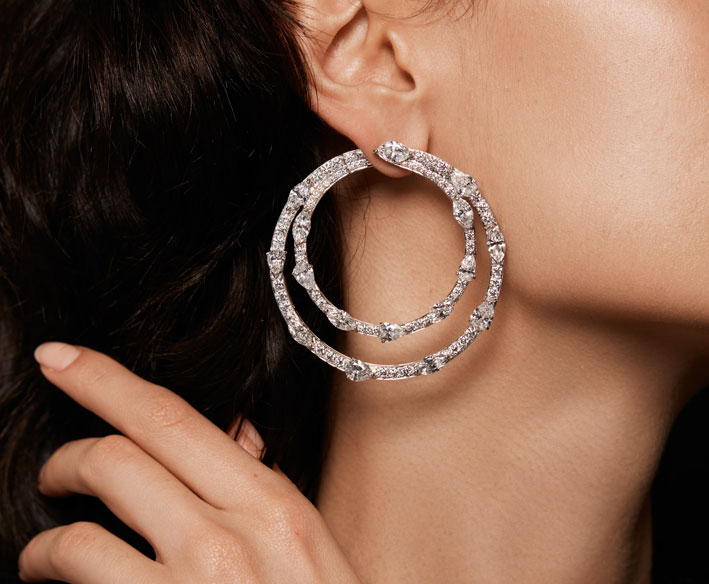
A Federpreziosi survey of Italian consumers explores their propensity to purchase jewelry.
Almost half of Italians (45%) are indifferent to jewelry. A precious object, in short, doesn’t arouse any desire, but neither does it arouse any repulsion: it’s simply ignored. What accounts for this sentiment? It’s certainly not a finding that pleases those who work in the jewelry industry. This percentage is contained in a study conducted by Format Research for the Federpreziosi Confcommercio Observatory, based on the research presented at Vicenzaoro January 2025, which indicated that only 35.8% of consumers currently consider purchasing jewelry.
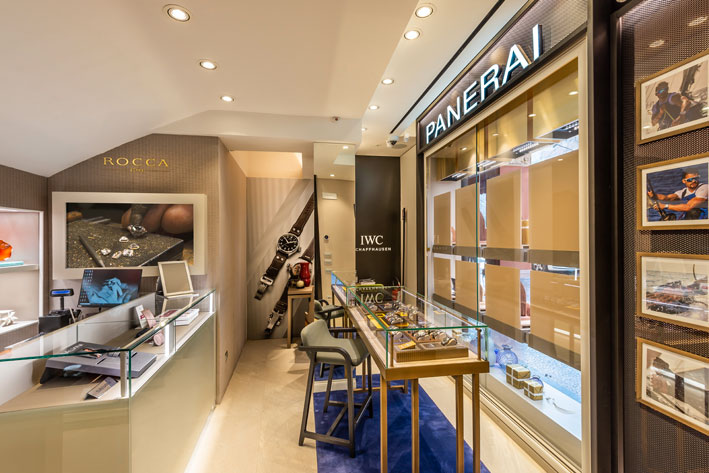
The study, discussed in a talk scheduled for Vicenzaoro January 2026, identified four profiles of non-jewelry buyers: averse, indifferent, open-minded, and close. The result is that jewelry loses its appeal not so much because of its price, but because it ceases to spark the imagination, evoke memories, and evoke emotions. Perceived value is measured, in short, by an object’s ability to communicate something to people. The survey found that those who are against it (10.9% of the sample) are predominantly over 64, concentrated primarily in the Northwest and characterized by a rational and functional view of consumption: for them, jewelry is superfluous and devoid of concrete use. And the time for gifts to the girlfriend is likely long gone. The largest group is the indifferent (45%), largely young people between 25 and 35, for whom jewelry isn’t rejected, but simply ignored.
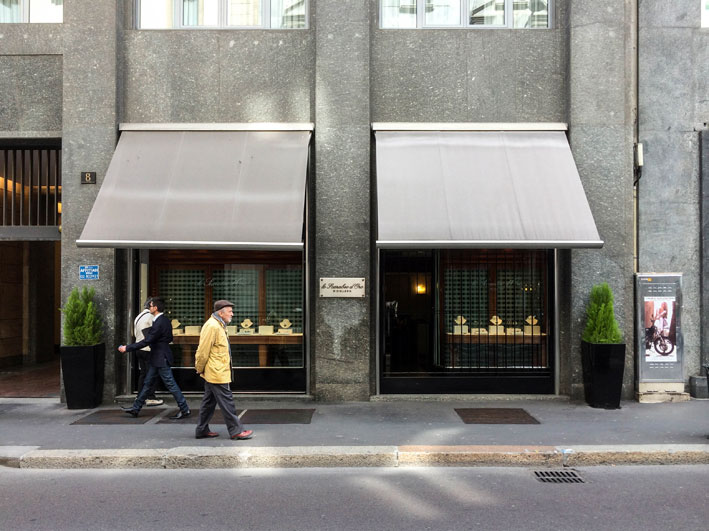
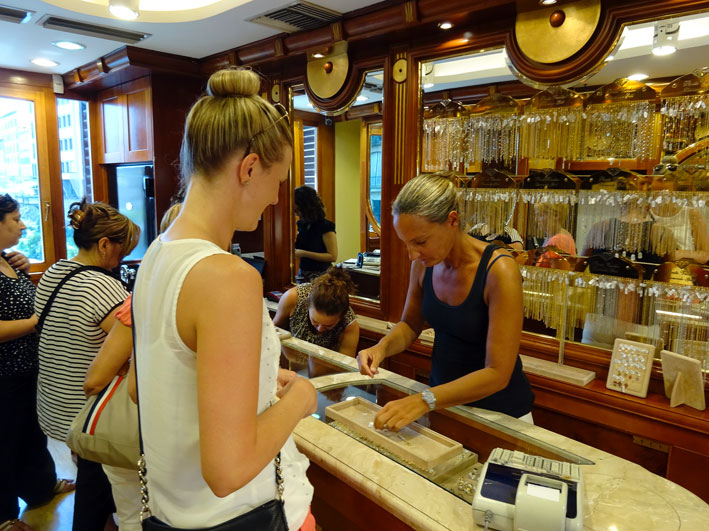
The possibilists (18.7%) are adults between 25 and 45, who recognize the potential of jewelry, provided it has a personal meaning and is consistent with the occasion. Finally, neighbors (25.3%), often young women with roots primarily in the Northeast, culturally sensitive to quality, design, and connection, attribute symbolic and emotional value to jewelry even though they haven’t yet made a purchase. To revive the sector’s potential, the research suggests a paradigm shift: transforming the point of sale into a relational space, training jewelers as storytellers, and developing a contemporary offering that connects the product to the experience.