Summer solstice, end of June. The date set by astronomy indicates the exact moment when the sun reaches, in its apparent motion (because we have the impression from the Earth that it is moving), the point of maximum or minimum declination. For example, in 2020 the summer solstice was set on June 20 at 9:44 pm exactly. The ancients had a rough idea of the motion of the stars, but they also knew how to locate the solstice.

As in Stonehenge, Britain, where there are two concentric circles of monoliths weighing 50 tons. The axis of the monument is astronomically oriented, with an access path at the center of which stands a boulder called heel stone (Heel Stone, also called Fryar’s Heel). At the summer solstice the sun rises right above the Heel Stone.

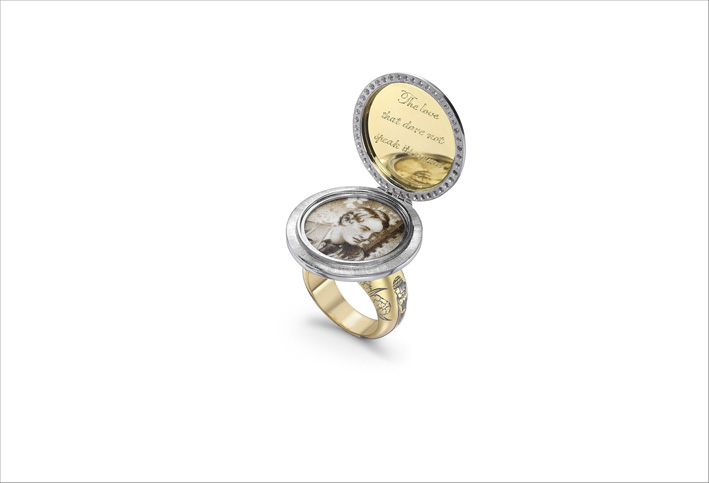
And a special ring was dedicated to Stonehenge and its myths, celebrated every year by thousands of visitors, which encloses that magical place in miniature. The ring, in 18-karat gold, was created by British jewelry designer Theo Fennell, who is a specialist in rings with secrets, which encompass the most varied subjects. The ring of the summer solstice also has hand-engraved representations of the sun, moon and stars. A crown of diamonds surrounds a dome of blue topaz, reminiscent of the transition from night to dawn. Theo Fennell and his team took six months to make the new jewel. In case you are in love with Stonehenge, know that the ring costs around $ 28,000.