
August is a hot month for Pandora: after announcing the results of the second quarter and presenting several new features of the Moments and Signature platforms, the Danish brand has announced a new name for its range of jewelry with diamonds created in the laboratory. The Diamonds by Pandora line now becomes Pandora Lab-Grown Diamonds. Clearer, because it does not create ambiguity or surprises for those who buy them: now it is immediately unequivocal that they are artificial diamonds. And transparency towards the consumer is also a request from the American authorities.
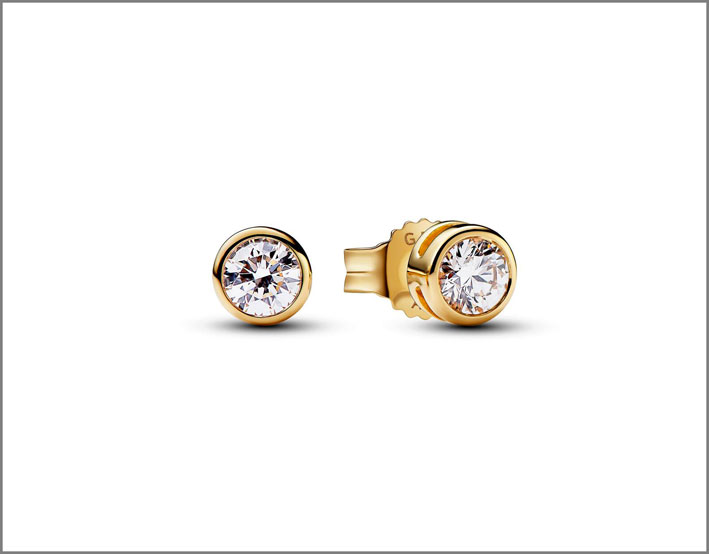
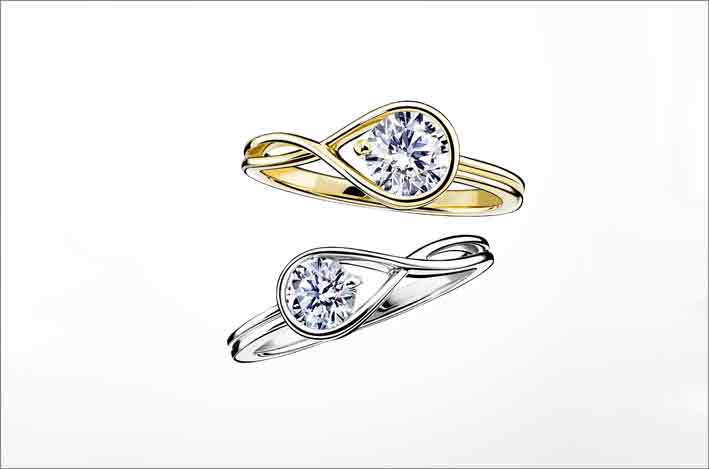
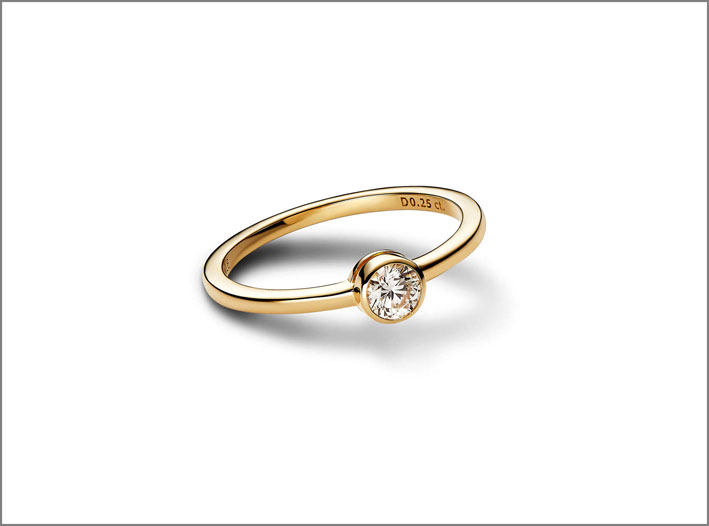
The new jewels will be presented at the end of the month, but the company has anticipated the new strategy, which includes 57 new styles in three new collections. Jewelery with synthetic diamonds will be part of several families: Pandora Nova, for example, concerns laboratory-grown diamonds with a brilliant cut, the classic round diamond for a solitaire ring, and a princess cut. The stones have a proprietary four prong setting.

Pandora Era is the line that proposes itself as a reinterpretation of the most classic jewels. Pandora Talisman, on the other hand, is a collection of pendants, but a luxurious one. Pandora’s lab-grown diamonds will be selected for fine cut, near-colorless, VS+ clarity and set in 14K white gold, 14K yellow gold, or sterling silver. They will weigh between 0.15 and 1 carat. They will initially be available in 700 stores and online, but only for the US, Canada, UK and Australia. Additional collections will launch by the end of October 2023 in Mexico and Brazil, with the full launch scheduled for Q1 2024. Pricing starts at $290.
Pandora changes the name of its new laboratory diamonds
You might be interested in



Latest from news
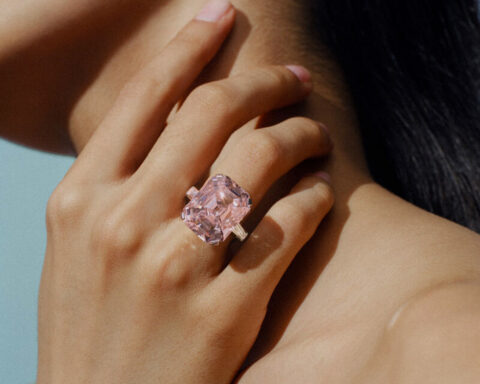
The auction house is offering a Bulgari ring featuring a 24-carat pink diamond for sale in
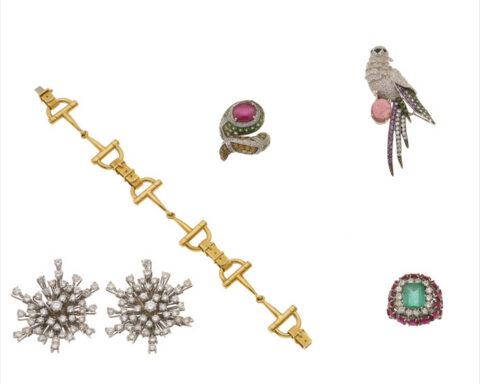
Cambi Auction House is offering 700 lots for sale, including jewelry and gemstones. A private collection
The VO Awards, dedicated to excellence in jewelry, are returning for the Vicenzaoro January edition. It
A volume edited by Lucia Ajello and Bianca Cappello exploring Italian jewelry from the Middle Ages
The third quarter of 2026 marks a tentative recovery following months of continuous drops in the