Reports from the United Kingdom indicate an increase in jewelry treated with substances harmful to health. Here is how to avoid potential risks.
The Office for Product Safety and Standards—a UK government body—is primarily tasked with protecting people and places from harm caused by products, ensuring that consumers and businesses can buy and sell safely. According to the website *Professional Jeweller*, an investigation by jewelry experts has uncovered 153 reports of items deemed unsafe or non-compliant within a safety database. The period examined spans three years, from January 2023 to March 2026. Of these non-compliant cases, 102 involved chemical risks—meaning the items had been treated with harmful substances.
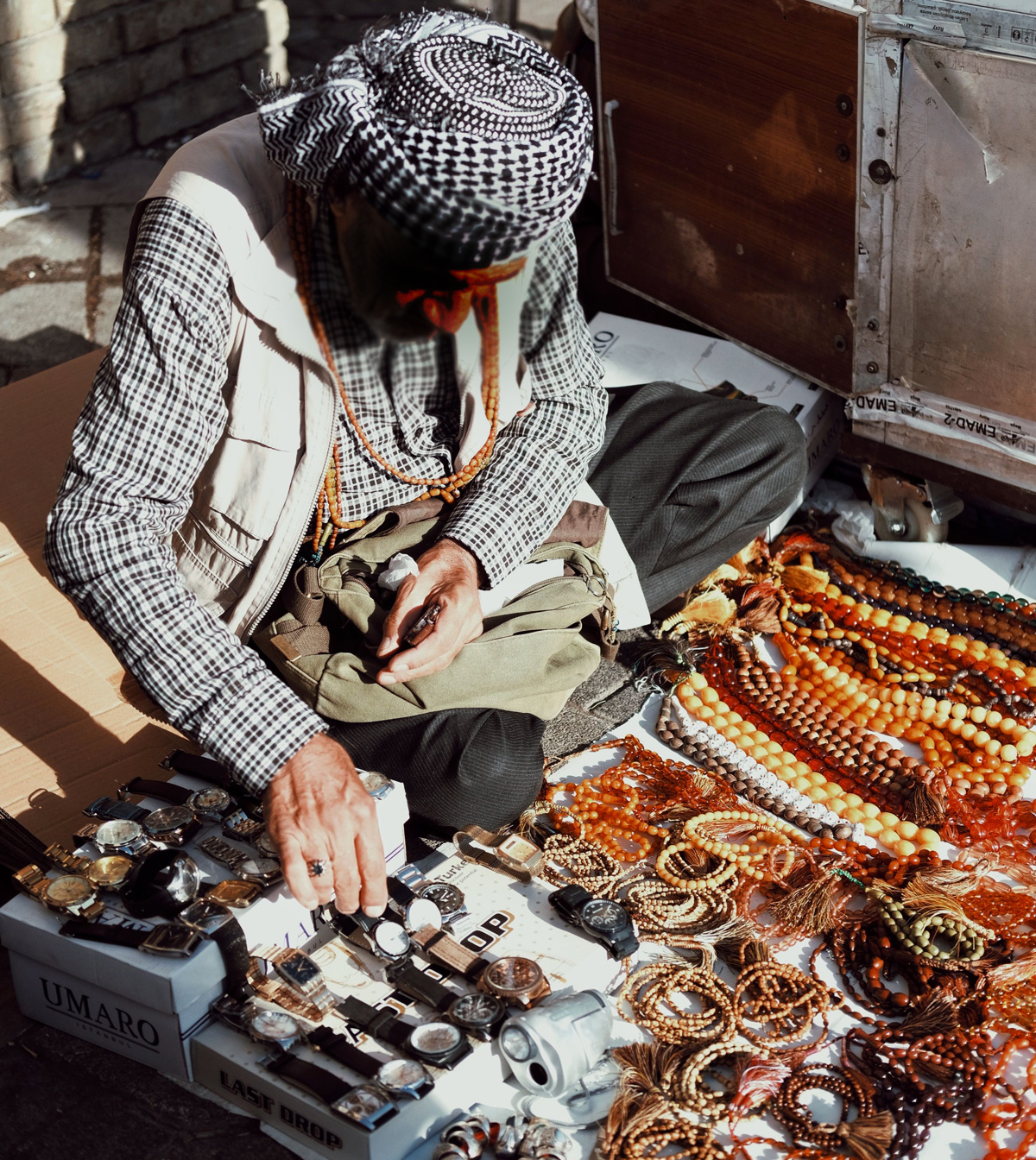
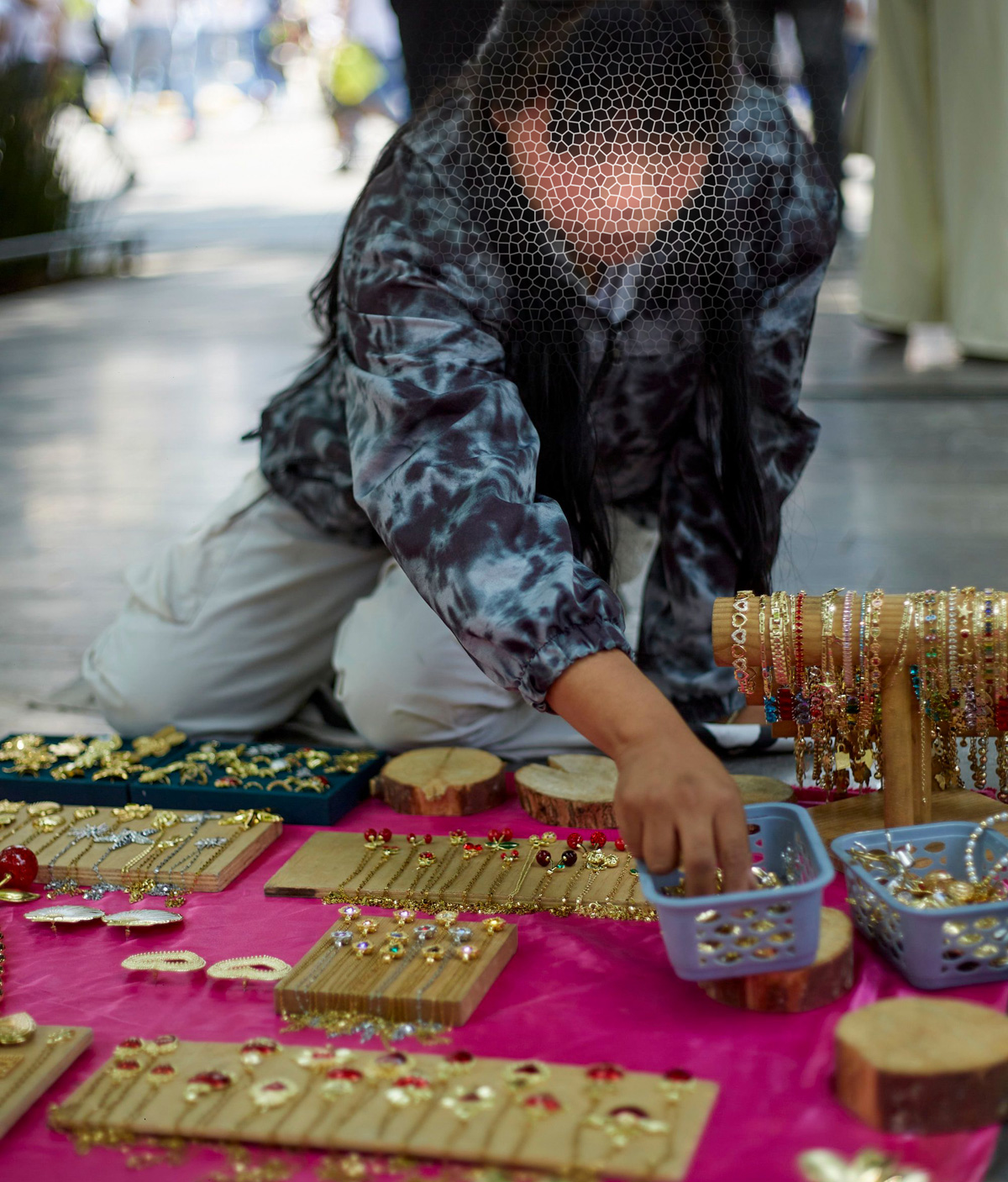
The alarm raised in Great Britain likely applies to other European countries as well, and even more so to markets in Asia or emerging economies. The safety of items that remain in prolonged contact with the wearer’s skin is a significant concern, as evidenced by the frequent occurrence of allergies to various metals or chemical agents. Although regulations exist to limit the use of certain substances and metals—such as nickel—it is not uncommon to encounter jewelry in shops or at market stalls that fails to meet these standards.
Statistically, in the case of the UK investigation, earrings and body-piercing jewelry accounted for 49 of the reports, 38 of which were related to chemical risks. Necklaces appeared in 43 reports, bracelets in 36, and rings in 24. The analysis of chemical risks, the website notes, also included 23 reports concerning necklaces, 21 regarding rings, 20 involving bracelets, and seven pertaining to pendants. In many instances, these were found to be imported jewelry items from unspecified countries of origin. Notably, 64 such shipments were blocked at the border, while another 49 were removed from online sale following inspections. A concerning trend is that, overall, the number of such notifications has risen by 165%. In short, it is worth keeping this in mind when making a purchase. The article also includes advice from Stacie Hutchinson of the jewelry brand Michael Jones, who suggests five checks to perform before buying a piece of jewelry.
What to check before buying jewelry
1. Verify the material: Look for clear information regarding the materials used. If the description simply states “metal,” investigate further.
2. Verify the actual seller: Online sales platforms may not be managed directly by the company supplying the jewelry. Look for the seller’s name, contact details, and return policy.
3. Don’t be dazzled by Black Friday offers: Massive discounts and countdown timers encourage impulsive decisions. Take a moment to verify before you buy.
4. Read reviews and safety alerts: Do not rely solely on star ratings; look for mentions of skin irritation or defects in the plating. Consult government databases for safety alerts and product recalls. 5. Do not hesitate to return the piece of jewelry: if it arrives chipped, discolored, or with a poor-quality finish—and does not match the description—contact the seller to arrange a return or a refund.